Dry Needling Vs. Traditional Physical Therapy: Key Differences
Originally published 2025-12-30
Pain affects more than just the body. It disrupts routines, reduces confidence, and limits independence. Therefore, many people search for clear answers when deciding between dry needling and standard rehabilitation care. The comparison of Dry Needling vs. Traditional Physical Therapy often creates confusion because both methods aim to reduce pain, but work in very different ways. Understanding how each approach works helps you choose care based on the cause of pain rather than guesswork. Swift Rehabilitation follows a structured, therapist-led approach that focuses on restoring movement, strength, and confidence through personalized rehabilitation plans.
Understanding Dry Needling In Rehabilitation Care
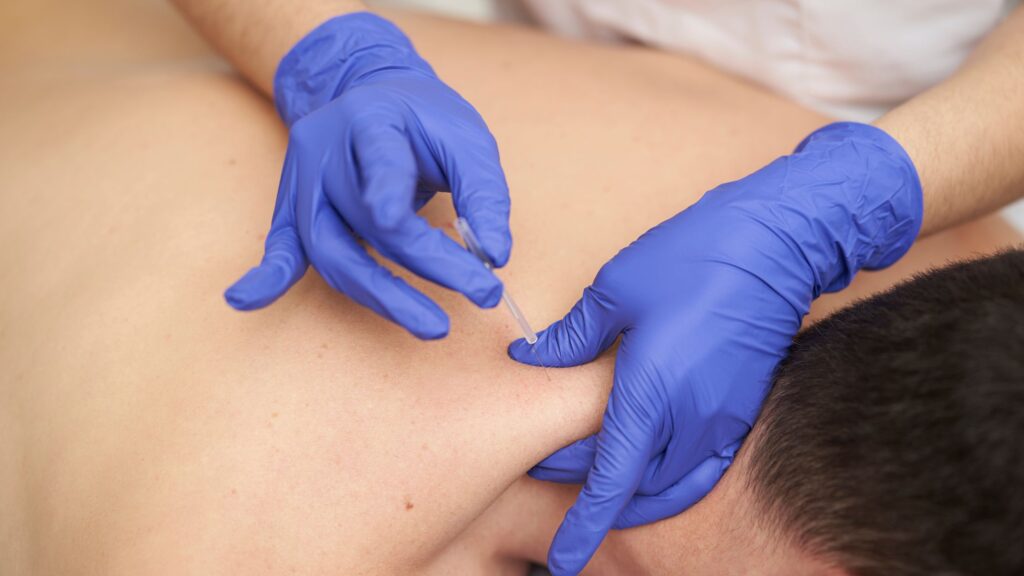
Dry needling focuses on muscular trigger points. These trigger points feel like tight knots or sensitive bands within a muscle. They often restrict movement and create pain that can spread to nearby areas. A licensed therapist inserts a very thin needle into the trigger point to stimulate a neuromuscular response. As a result, the muscle can relax, blood flow can improve, and tension can decrease.
Dry needling does not introduce medication into the body. Instead, it uses mechanical stimulation to interrupt pain signals and muscle guarding. Many patients report improved range of motion and reduced tightness shortly after treatment. However, dry needling does not rebuild strength or correct movement patterns on its own. Therefore, therapists usually use it as one part of a broader rehabilitation strategy.
Understanding Traditional Physical Therapy
Traditional physical therapy focuses on restoring function through movement-based care. Therapists evaluate posture, joint mobility, strength, balance, and coordination to identify the root cause of pain or limitation. Then they design a plan that includes therapeutic exercise, manual therapy, education, and progressive movement training.
This approach helps patients recover from injuries, surgeries, chronic pain, balance issues, and mobility limitations. Additionally, traditional therapy improves how the body handles daily activities such as walking, lifting, reaching, and standing for long periods. Over time, the body adapts to improved movement patterns, which helps reduce flare-ups and recurring pain.
The Core Difference Between The Two Approaches
Dry needling and traditional physical therapy both support recovery, but they do it in different ways. Understanding the role of each helps set the right expectations and choose the most effective path.
A. The Primary Difference
Dry needling targets tight, painful muscle points. Traditional physical therapy improves whole-body movement, strength, and function. Therefore, dry needling often reduces symptoms, while therapy helps stop symptoms from returning.
B. Dry Needling: Local Relief
Dry needling releases trigger points and muscle tension that limit motion or cause discomfort. As a result, movement can feel easier and less restricted. It works best when tight muscles block progress, and quick release is needed.
C. Traditional Physical Therapy: Full Recovery
Physical therapy finds what drives the pain and improves it with mobility work, strengthening, and movement training. Consequently, the body moves better and stays more stable. It focuses on fixing patterns that repeatedly trigger pain or stiffness.
D. Not A Replacement—A Pair
In dry needling versus traditional physical therapy, one does not replace the other. Dry needling can calm the area, and therapy can build long-term results. Together, they often turn short-term relief into lasting recovery.
In the end, the best approach depends on pain triggers, movement limits, and recovery goals. When the plan matches the cause, relief feels clearer, and progress lasts longer.
Why Many Patients Benefit From A Combined Approach
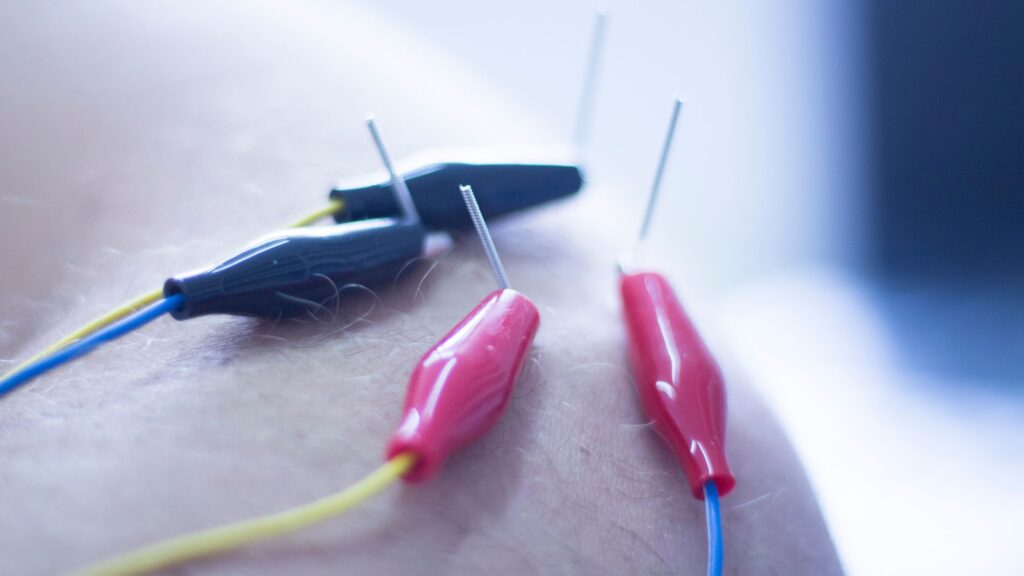
Combining dry needling with traditional physical therapy often creates a more complete recovery plan. This approach can reduce pain quickly while also improving how the body moves, so results feel both faster and more reliable.
- Works Best When Combined: Many rehabilitation plans work best when therapists combine both methods.
- Reduces Guarding and Pain: Dry needling can reduce muscle guarding and pain that limits movement.
- Rebuilds Strength and Function: Then, traditional therapy can strengthen muscles, improve coordination, and restore functional movement.
- Faster Progress, Longer Results: As a result, patients often experience faster progress and more lasting outcomes.
- Supports Comfort And Resilience: This blended strategy supports both short-term comfort and long-term resilience.
- Adapts With Progress: It also allows therapists to adapt treatment based on progress instead of relying on a single technique.
- Adjusts Session By Session: Additionally, the plan can shift session by session, depending on pain levels, mobility changes, and functional goals.
- Helps Prevent Flare-Ups: Moreover, pairing symptom relief with movement retraining helps protect the body from repeated flare-ups.
In the end, the strongest outcomes usually come from matching the method to the moment—relieving what blocks movement now, and then rebuilding the strength and control that keeps pain from returning. Learn more about Dry Needling.
How To Choose The Right Approach For Your Needs
Choosing between dry needling and traditional physical therapy becomes easier when the decision follows what the body needs most right now. A simple focus on the main limitation often leads to a clearer, more effective plan.
- Start by identifying what limits you most. If muscle tightness blocks movement and feels difficult to release, dry needling may help.
- However, if pain returns during activity or daily tasks, feel unstable, weak, or restricted, traditional therapy should guide care.
- A professional evaluation can confirm whether symptoms come from muscle tension, joint mechanics, movement habits, or a combination.
- Therefore, a personalized plan often delivers better results than choosing one method in isolation.
In the end, the best approach aligns with the cause of pain, the movement problem, and the recovery goal. When treatment matches the real driver, progress feels smoother and results last longer.
Conclusion
When evaluating dry needling versus traditional physical therapy, the most effective choice depends on the source of pain and the movement limitation. Dry needling can reduce muscle tension and discomfort, while traditional physical therapy rebuilds strength, mobility, balance, and long-term function. Many patients see the best results when both methods work together within a structured rehabilitation plan. Swift Rehabilitation focuses on personalized, goal-driven care that supports recovery through evidence-based therapy.
Dry Needling vs. Traditional Physical Therapy: Quick Comparison
| Feature | Dry Needling | Traditional Physical Therapy |
|---|---|---|
| Primary Goal | Release muscle trigger points, reduce pain | Restore function, strength, and mobility |
| Technique | Fine needles inserted into trigger points | Exercises, manual therapy, modalities |
| Session Duration | 15–30 minutes (often combined with PT) | 45–60 minutes |
| Best For | Muscle pain, myofascial pain, chronic tension | Post-surgery recovery, injury rehab, mobility |
| Evidence Base | Growing clinical evidence for pain reduction | Extensive evidence base for functional outcomes |
| Medicare Coverage | May be covered when part of PT visit | Covered under Part B when medically necessary |
| Number of Sessions | 4–8 sessions typical for acute issues | Variable based on condition (8–20+ sessions) |
| Works Best When | Used as a complement to PT | Used as primary rehabilitation approach |
What Swift Rehab Practitioners Say: Dry Needling vs. PT
At Swift Rehabilitation in Rosedale and Baltimore, MD, our licensed physical therapists frequently use dry needling as part of a comprehensive physical therapy program. The two approaches are not mutually exclusive — in fact, combining them often produces the best clinical outcomes.
Our clinical approach: We typically use dry needling to quickly reduce myofascial pain and trigger point activity in the first phase of treatment. This “resets” the muscle, making it more receptive to the strength and mobility exercises that follow in traditional PT. Patients who receive this combined approach often experience faster pain relief and better functional outcomes than those who receive either treatment alone.
Frequently Asked Questions: Dry Needling vs. Physical Therapy
Is dry needling the same as acupuncture?
No. While both use thin needles, dry needling and acupuncture are fundamentally different. Dry needling targets specific muscle trigger points based on musculoskeletal anatomy and is performed by licensed physical therapists. Acupuncture is based on traditional Chinese medicine principles and is performed by licensed acupuncturists. At Swift Rehab, we offer dry needling as part of our physical therapy services.
Which is better for chronic pain: dry needling or physical therapy?
For chronic pain, the most effective approach is typically a combination of both. Dry needling provides immediate relief from trigger point pain, while traditional physical therapy addresses the underlying movement dysfunction, weakness, or posture issues that may be causing or perpetuating the pain. Our physical therapists in Baltimore and Rosedale create individualized programs that integrate both approaches.
How many dry needling sessions do I need?
Most patients see significant improvement in 4–8 dry needling sessions when combined with physical therapy. Acute conditions often respond faster, while chronic myofascial pain may require ongoing treatment. Your Swift Rehab therapist will create a personalized treatment plan based on your specific condition, goals, and response to treatment.
Does insurance cover dry needling?
Insurance coverage for dry needling varies by plan. Medicare and many private insurance plans may cover dry needling when it is performed as part of a covered physical therapy visit and deemed medically necessary. Swift Rehab’s billing team will verify your specific coverage before treatment begins. Visit our insurance page for more information.
Can I receive dry needling and physical therapy in the same session?
Yes — and this is often the most effective approach. At Swift Rehabilitation, our therapists frequently combine dry needling with manual therapy and therapeutic exercises in a single session. Dry needling at the start of a session helps release muscle tension, allowing the subsequent exercises and manual techniques to be more effective.
Ready to Get Started? Schedule Your Evaluation at Swift Rehab
Whether you’re interested in dry needling, traditional physical therapy, or a combination approach, Swift Rehabilitation’s expert team in Rosedale and Baltimore, MD is here to help you achieve lasting pain relief and optimal function.
Contact us today to schedule your evaluation and discover the right treatment approach for your specific needs. We accept Medicare, most major insurance plans, and offer convenient scheduling to fit your lifestyle.