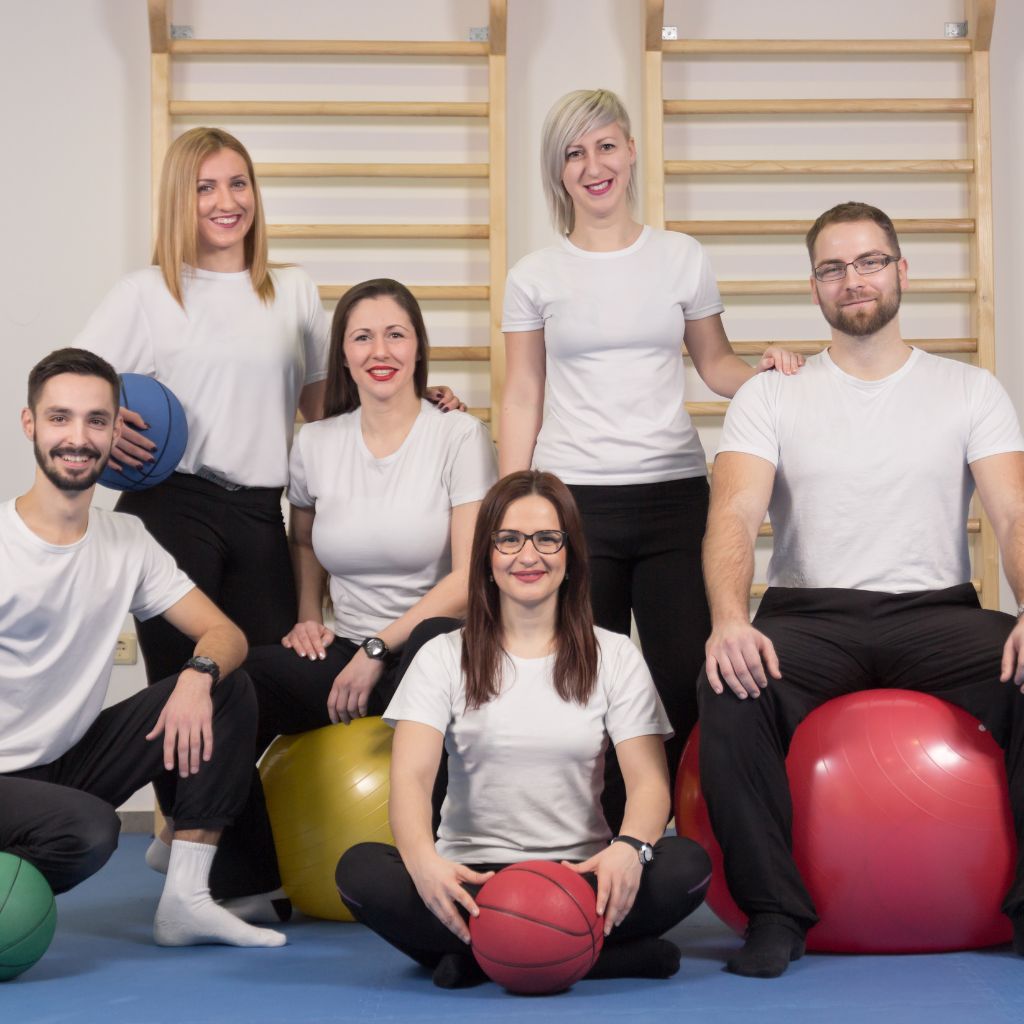
Undergoing surgery is a major step toward improved health, yet the path to full recovery often depends on proper rehabilitation. Post-Surgery Rehab Rosedale focuses on restoring strength, reducing pain, and helping you return to the activities you love. At Swift Rehabilitation, expert therapists provide personalized and evidence-based rehabilitation programs designed to support every stage of your recovery journey. Additionally, your plan evolves as you improve, so each session builds on real progress. Therapists also teach safe movement strategies, home exercises, and pacing methods that protect healing tissues while rebuilding confidence.

Common Recovery Challenges After Surgery
After surgery, stiffness, weakness, swelling, and fear can limit movement. Guided rehab restores safe motion, corrects posture, rebuilds confidence, and prevents setbacks.
- Stiffness can quickly limit walking, bending, and daily movement.
- Muscle weakness reduces balance and strains nearby joints.
- Swelling and soreness slow healing and limit movement.
- Fear and compensation habits worsen posture and delay recovery.
Therefore, when you address these challenges early with guided rehab, you recover faster, move with confidence, and return to daily life with safer strength and control.
Why Post-Surgery Rehab Matters
After surgery, rehab supports safe healing by reducing stiffness, rebuilding strength, and improving mobility. It also lowers swelling and complication risk. Personalized therapy restores confidence and helps you return to daily life with less pain.
1. Restore Range of Motion Early
Prevents stiffness early by restoring safe range of motion before tightness becomes long-term. Additionally, it keeps joints moving smoothly, improves circulation, and helps you avoid painful compensations during daily activities.
2. Rebuild Strength Safely and Gradually
Rebuilds strength step by step so muscles support the surgical area and reduce overload on joints. Furthermore, it improves stability, protects repaired tissue, and helps you move with better control during walking and stairs.
3. Improve Mobility and Flexibility With Control
Improves mobility and flexibility through controlled movement that protects healing tissue while increasing function. Additionally, it retrains proper mechanics, reduces guarding, and helps you return to bending, reaching, and daily movements comfortably.
4. Reduce Swelling and Prevent Complications
Reduces swelling and lowers complication risk by improving circulation, mechanics, and proper movement patterns. Moreover, it supports faster healing, decreases inflammation, and helps prevent setbacks like stiffness, weakness, and poor posture.
5. Build Confidence and Regain Independence
Boosts confidence and independence as therapists track progress, adjust the plan, and help you return to daily tasks with less pain. Additionally, you gain milestones, safer habits, and motivation as progress becomes visible weekly.
Therefore, consistent post-surgery rehab keeps your recovery safer, faster, and more predictable—so you regain strength, mobility, and independence with confidence.

What to Expect with Post-Surgery Rehab Rosedale
At Swift Rehabilitation, every rehabilitation plan begins with a detailed evaluation that identifies your unique needs and recovery goals. From there, expert physical and occupational therapists develop a customized roadmap to help you regain strength and function safely and effectively.
Here’s how the process works:
- Initial Assessment: A licensed therapist listens to your history, reviews your surgery details, and evaluates your current function.
- Goal-Focused Plan: Based on your evaluation, the therapist creates a step-by-step treatment plan that aligns with your functional goals.
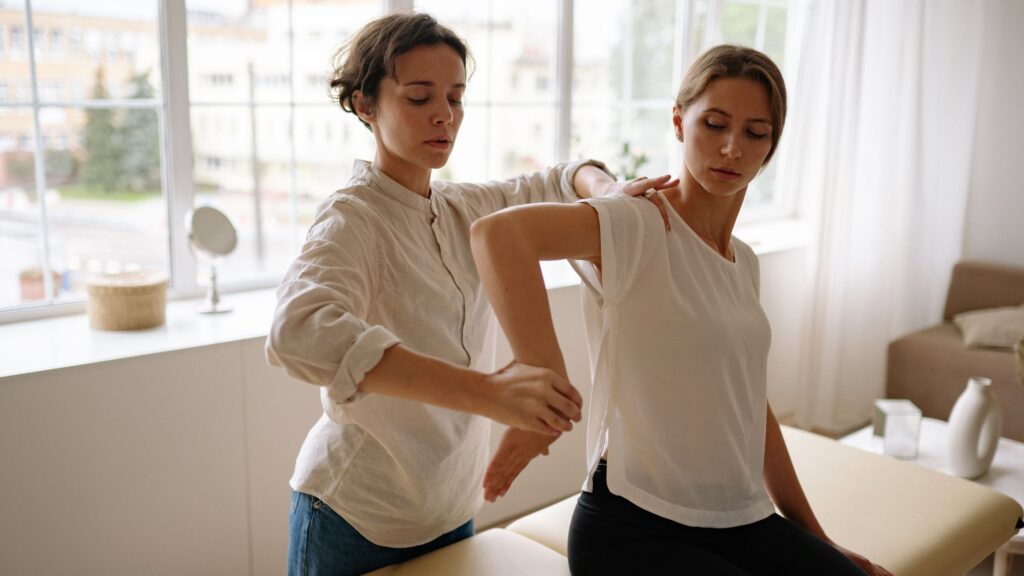
- Hands-On Therapy: During each session, your therapist works with you to improve mobility, reduce pain, and increase strength.
- Progress Tracking: Therapists continuously assess your advancement and refine your plan, so you stay on track toward a full recovery.
This clear structure ensures that your journey to wellness remains focused, measurable, and centered on your unique needs. Learn more about Post-Surgery Rehabilitation Physical Therapy.
Personalized Care Designed Around You
One of the strengths of Post-Surgery Rehab Rosedale services at Swift Rehabilitation is the customized nature of care. Every treatment plan reflects your life, goals, and personal challenges. Additionally, therapists guide you through both outpatient sessions at the Rosedale clinic and in-home therapy if you require extra comfort or convenience.
Compared to generic rehab programs, personalized plans help you recover faster and more safely. Wherever you are in your healing process, therapists remain engaged, supportive, and committed to your success. With this tailored support, you will see meaningful progress each week.
Essential Gains from Post-Surgery Rehab
Choosing the right rehabilitation provider makes a significant difference. Here are essential benefits you can expect with Post-Surgery Rehab Rosedale:
- Reduced Pain and Swelling: Through targeted exercises, therapists help decrease discomfort and inflammation.
- Improved Strength and Flexibility: Structured activities help restore muscle strength and enhance joint range of motion.
- Better Balance and Coordination: This reduces the risk of falls and supports daily functional tasks.
- Faster Return to Normal Activities: Guided progression accelerates recovery and keeps you moving safely.
Furthermore, therapists provide education and home exercise guidance to improve your long-term health and prevent future injury. This combination of professional care and self-driven progress reinforces lasting results.
When Should You Start Post-Surgery Rehab?
Timing plays a crucial role in recovery. In most cases, beginning Post-Surgery Rehab Rosedale services shortly after your surgeon clears you leads to better outcomes. Early rehabilitation prevents stiffness, improves circulation, and reduces the risk of long-term weakness.
Delaying therapy can allow scar tissue, muscle imbalance, and compensatory movement patterns to develop. Consequently, recovery may take longer and feel more frustrating. However, when you start rehab at the appropriate time, therapists guide safe movement while protecting healing tissue.
Additionally, early intervention builds confidence during a vulnerable stage of recovery. Instead of feeling uncertain about movement, you receive professional supervision that ensures every step remains safe and productive. Signs You Are Ready for Rehab:
- Your surgeon has cleared you for movement.
- Pain feels manageable with controlled activity.
- Swelling has stabilized or reduced.
- You want structured guidance for safe progress.
Therefore, beginning therapy at the right moment creates a smoother, more predictable recovery path. With proper timing and professional oversight, you restore mobility faster and regain independence with greater confidence.
Insurance, Accessibility, and Support
Swift Rehabilitation accepts major insurance plans, including Medicare and Medicaid. In addition, the team helps patients navigate benefits so they can focus fully on healing without unnecessary financial stress. Moreover, staff explain coverage details, visit limits, and documentation clearly, so you avoid surprises. Additionally, the front desk coordinates scheduling smoothly and answers billing questions quickly, which keeps your plan organized. Furthermore, whether you prefer in-clinic care or therapy at home, the goal remains the same: to help you return to strength confidently and efficiently. This flexible approach makes rehabilitation accessible and practical for people of all ages and mobility levels.
Conclusion
Post-Surgery Rehab Rosedale plays a critical role in your recovery after surgery. With personalized, evidence-based care at Swift Rehabilitation, you can expect meaningful progress, improved strength, and a smoother return to everyday life. Their expert therapists guide every step, ensuring that your healing journey is effective, safe, and centered on your goals. Additionally, you receive clear milestones, hands-on support, and home strategies that protect healing tissue. As a result, you regain mobility, confidence, and long-term function with fewer setbacks.