Healing requires more than exercises and appointments. It requires consistency, comfort, and a plan that fits your real life. When you choose an in home rehabilitation service, you bring professional care directly into the environment where you move, rest, and live every day. As a result, recovery feels less stressful and more practical. Moreover, you eliminate travel time, reduce fatigue, and stay focused on progress instead of logistics.
A structured recovery plan at home does more than restore strength. It improves confidence, supports independence, and builds habits that last. Consequently, you experience measurable improvement while staying connected to your daily routine.

Why Home-Based Therapy Feels More Effective
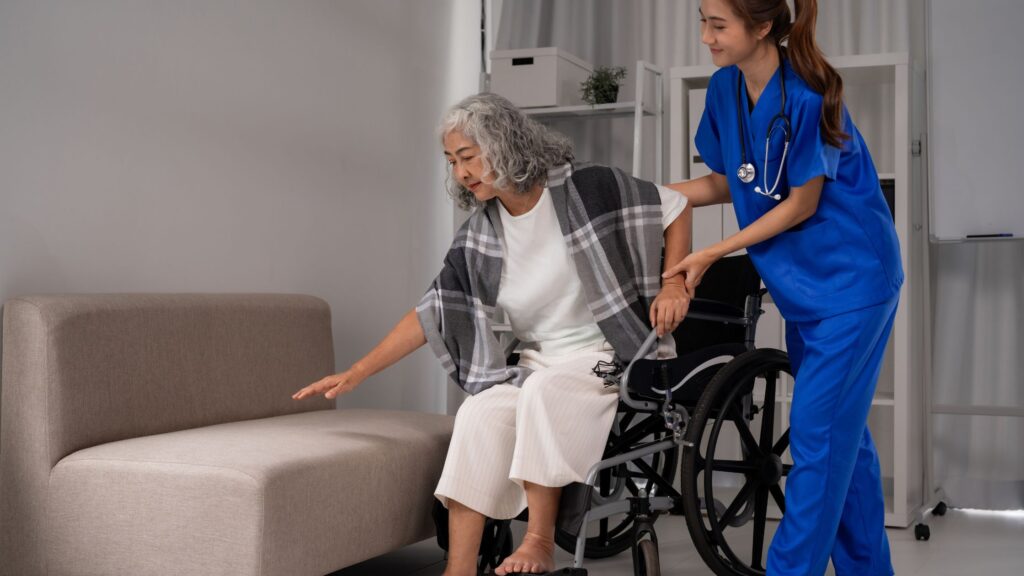
Home-based therapy eliminates travel, waiting rooms, and schedule stress, so you begin in a safe space. Therapists assess your real movements at home and tailor strategies, saving energy for faster recovery.
- Convenience & Calm: Home therapy removes travel stress, so you begin sessions calm and fully focused.
- Real-World Assessment: Therapists assess real movements at home, which makes treatment more practical and effective for daily life.
- Safe Home Practice: You practice stairs, bathrooms, and kitchens safely with expert guidance in place.
- More Energy for Progress: Less commuting saves energy, so you perform exercises with better effort and consistency.
- Comfort Builds Consistency: Familiar surroundings increase comfort, therefore you stay motivated and engaged throughout recovery.
Home-based therapy eliminates travel and waiting, so you start safely at home. Therapists assess real movements and tailor care, saving energy for better exercises—ultimately making recovery faster, easier, and more practical.
The Most Requested Therapy Services to Ask For
Use the options below as your starting point. Then, customize the plan with your therapist based on your goals and medical needs so every session stays focused, safe, and results-driven.
A. Physical Therapy Support
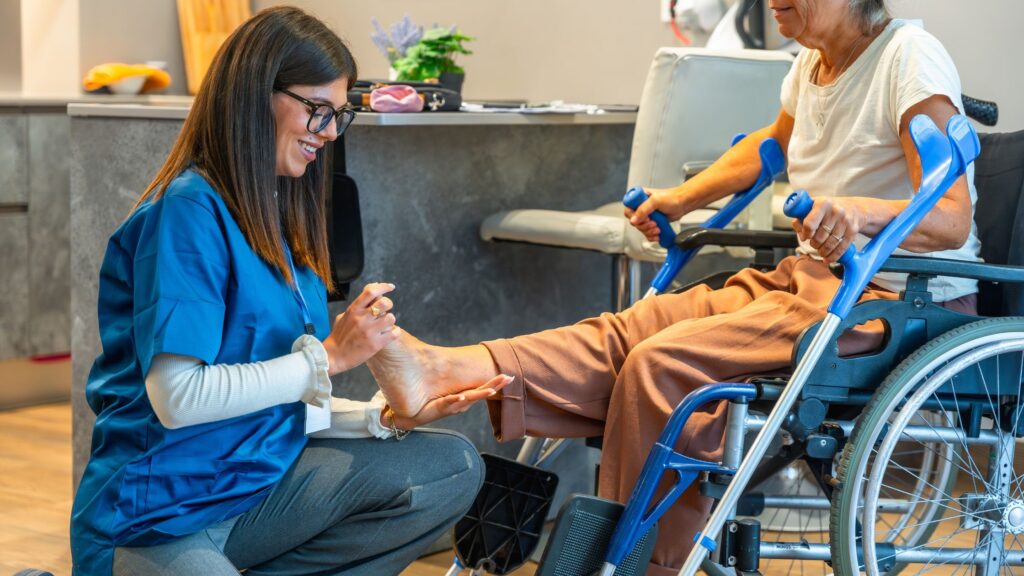
Physical therapy restores movement, balance, and muscle strength. Moreover, therapists design structured exercises that reduce pain while improving flexibility. As a result, you regain independence in walking, standing, and daily activities.
B. Occupational Therapy Support
Occupational therapy supports daily tasks like dressing, bathing, cooking, and grooming. Therapists teach adaptive techniques to simplify routines. They also suggest small home adjustments that improve safety and confidence.
C. Speech Therapy Support
Speech therapy supports speech clarity, cognitive communication, and safe swallowing. Consequently, individuals recovering from stroke or neurological conditions can rebuild essential communication skills.
D. Post-Surgical Rehabilitation
After surgery, your body needs guided progression. Therefore, therapists implement structured mobility plans that prevent stiffness and promote proper healing. Moreover, they monitor movement patterns to protect surgical areas.
E. Neurological Rehabilitation
Neurological therapy supports recovery from stroke, Parkinson’s disease, or traumatic brain injury. Because these conditions require consistency, home-based sessions allow therapists to integrate exercises directly into daily life.
F. Fall Prevention and Balance Training
Balance therapy reduces fall risk significantly. Additionally, therapists strengthen core stability and adjust home layouts for safer movement. As a result, you reduce anxiety and move more confidently every day.
Together, these services create a comprehensive in home rehabilitation service experience that adapts to your condition rather than forcing you into a generic clinic schedule.
How to Choose the Right Rehabilitation Plan
You can decide faster when you focus on outcomes. First, identify your primary goal: reduce pain, regain mobility, improve coordination, or restore independence.
Then, consider these quick matches:
- Limited mobility: Choose physical therapy focused on strength and gait training.
- Difficulty with daily tasks: Choose occupational therapy for functional movement.
- Speech or swallowing challenges: Choose speech therapy for targeted improvement.
- Post-surgery stiffness: Choose guided progressive rehabilitation to rebuild safely.
- Balance concerns: Choose fall-prevention programs with home safety evaluation.
Finally, evaluate your routine honestly. If fatigue limits you, schedule shorter, consistent sessions. However, if you can, build a more intensive plan. Therapists adapt care, so you progress without burnout. Learn more about Post-Surgery Rehabilitation Physical Therapy.
What Makes Home Rehabilitation Structured and Professional
Professional home therapy starts with evaluation, sets measurable goals, tracks progress, and adjusts plans. Licensed therapists use evidence-based care and educate families for stronger support.
- Comprehensive evaluation starts the care plan.
- Measurable goals guide each therapy session.
- Progress tracking prevents recovery plateaus.
- Evidence-based care delivered in-home.
Ultimately, this structured approach keeps your recovery consistent, measurable, and moving forward at home.
Benefits That Extend Beyond Recovery
In-home rehabilitation builds resilience, independence, and motivation through real progress at home, plus stronger family support.
- Builds mental resilience by reducing anxiety and keeping recovery steady in a familiar space.
- Shows visible progress daily, like walking farther or using stairs with more confidence each week.
- Boosts motivation naturally because improvements feel real, immediate, and measurable.
- Increases independence as therapy targets real-life tasks inside your home environment.
- Creates lasting habits because the routine fits your daily lifestyle, spaces, and real schedule.
- Improves family support when loved ones observe sessions and learn helpful techniques.
Ultimately, home-based rehab helps you recover with greater comfort, confidence, and long-term stability.
Services That Support Long-Term Progress
Rehabilitation works best when care stays consistent. Therefore, many providers schedule routine reassessments to measure improvement. Additionally, therapists may introduce new exercises as strength increases.
Some providers also offer coordination with physicians to ensure continuity of care. Because communication stays clear between professionals, treatment plans remain aligned with medical recommendations.
When you choose a provider that emphasizes structure, customization, and consistent follow-up, your recovery path stays focused and measurable.
Conclusion
When you select the right in home rehabilitation service, recovery feels structured, practical, and empowering. You eliminate unnecessary travel, receive personalized attention, and build skills that directly improve your daily life. Swift Rehabilitation delivers professional physical, occupational, and speech therapy directly to your home, ensuring that each session aligns with your goals and health needs. With licensed therapists and patient-centered planning, Swift Rehabilitation helps you regain strength, mobility, and independence where it matters most—at home.