When pain starts to disrupt your routine, basic stretches and generic advice rarely solve the problem. Instead, you need a structured plan that fits your body, your schedule, and the outcomes you truly care about. The most effective physical therapy programs in Maryland combine hands-on treatment with progressive strength training and clear, measurable milestones, so every session builds on the last without guesswork. Moreover, these programs focus on practical, real-world movement, which helps you translate gains from therapy into walking, lifting, climbing stairs, and daily activities with lasting confidence and control.
Direct Access in Maryland
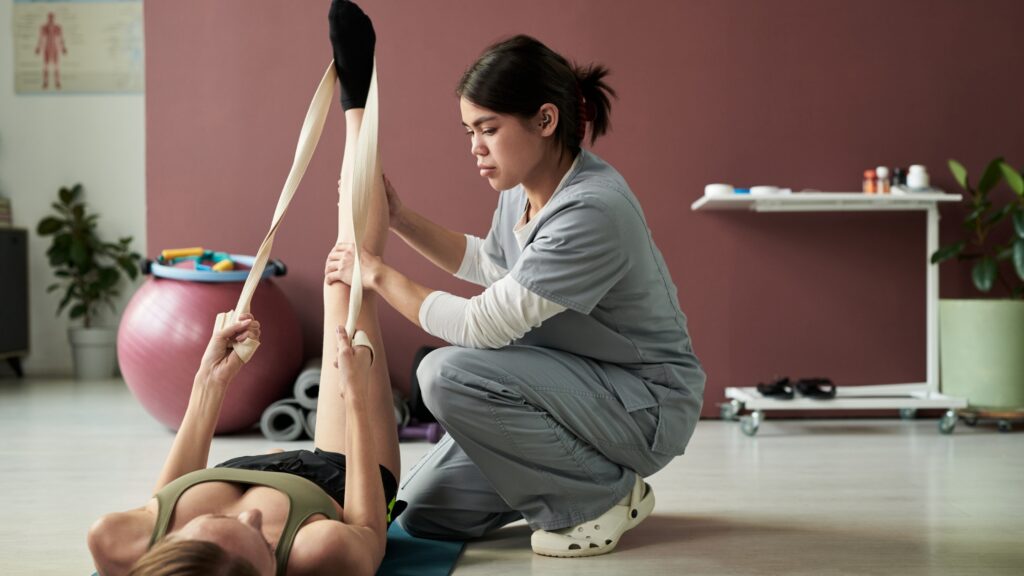
In Maryland, many people can begin physical therapy without getting a physician’s referral first. Therefore, you can start care sooner when pain, stiffness, or dizziness shows up and you want professional direction right away. Additionally, a licensed therapist can evaluate how you move, identify the likely source of your symptoms, and watch for warning signs that require medical follow-up. If the therapist spots those red flags, they can point you to the right next step while keeping your situation safe and clear.
Because early care prevents you from “moving around” the problem, direct access often reduces the wait-and-worsen cycle. Consequently, you protect better movement patterns, avoid extra strain on other joints, and return to normal activity with less delay—often with fewer flare-ups, fewer setbacks, and a clearer recovery timeline. Learn more about Physical Therapy & Rehabilitation.
Outpatient vs. In-Home Care
Many people prefer clinic visits for hands-on care and equipment. Others prefer in-home therapy because travel drains energy. Therefore, flexible Maryland programs offer Rosedale outpatient care and in-home visits across Baltimore City and County.
- Why In-Home Programs Work So Well: Home sessions train real-life tasks and cut travel, so you miss fewer visits.
- Why Outpatient Programs Still Matter: Clinic care delivers manual therapy and structured strength training, helping many stay consistent.
- Best of Both for Faster Progress: Many plans start in-clinic, then transition home so gains carry into daily routines.
- Care That Fits Your Schedule: Flexible appointment options help you stay on track through work, caregiving, and traffic.
Therefore, when you choose the right setting—or combine both—you stay consistent and turn improvements into everyday movement faster.
Four Steps to Real Progress
Strong physical therapy programs in Maryland usually follow a simple system that repeats for every condition:
- Request an Appointment: You connect with the team and they match you with a convenient time that fits your routine.
- Evaluation: A licensed therapist completes a detailed one-on-one assessment, checks movement patterns, and pinpoints what drives your symptoms.
- Personalized Plan: Your therapist designs a clear roadmap with goals, weekly priorities, and exercises that match your daily needs.
- Progress and Results: You follow a plan, track changes, and adjust intensity over time, so every session builds measurable improvement.
This structure matters because it reduces confusion. Moreover, it keeps your sessions purposeful, so you feel progress instead of guessing.
Core Program Types You Can Expect in Maryland
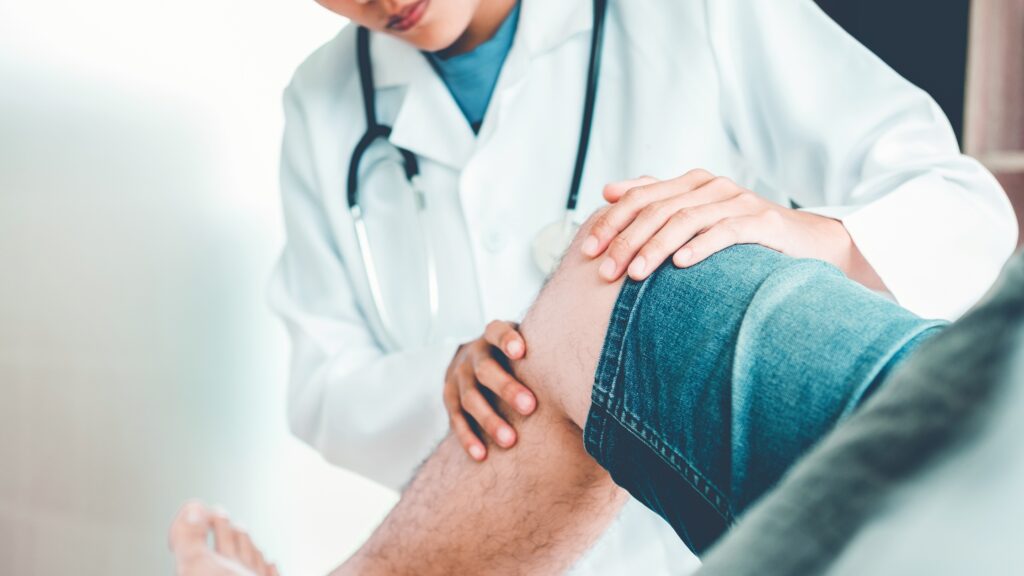
Different bodies need different systems. Therefore, the best programs group care into clear tracks while keeping the plan personal. Here are some common tracks you will see in physical therapy programs in Maryland:
A. Orthopedic and Sports Rehab
This program targets joint and muscle injuries, post-injury weakness, and return-to-activity goals. Consequently, therapists rebuild mobility, restore strength, and retrain mechanics, so you return to your sport or daily routine stronger and safer.
B. Post-Operative Rehab
Surgery changes tissue tolerance and movement control. Therefore, a post-op program guides swelling control, range-of-motion milestones, and strengthening in the right order. Additionally, therapists take surgical precautions while rebuilding function with confidence.
C. Neurologic Rehab
Neurologic recovery requires repetition, balance training, and task practice. Consequently, neuro-focused care supports mobility and independence after stroke and other neurologic conditions, while the therapist adapts the difficulty to your current control.
D. Vestibular and Balance Rehabilitation
Dizziness and instability can shrink your life fast. Therefore, vestibular rehab uses targeted exercises that retrain how the brain processes inner-ear signals along with vision and body position. Moreover, many programs emphasize fall-risk reduction for older adults.
E. Geriatric and Fall Prevention
Older adults often need strength, balance, and confidence all together. Consequently, fall-prevention programs build leg strength, improve gait stability, and teach strategies that reduce risky moments at home and in the community.
F. Work Injuries and Return-To-Work
Work-related injuries require function-based goals. Therapists restore strength, tolerance, and safe movement patterns that match job demands, so return-to-work feels realistic and controlled.
Consequently, when you choose the track that matches your condition and goals, you recover with clearer milestones, safer progressions, and results that carry into daily life.
Add-On Skills That Improve Outcomes
Top physical therapy programs in Maryland often use advanced hands-on techniques to improve comfort and movement faster.
- Dry Needling for Trigger Points: Dry needling targets tight muscle bands, easing pain and improving range of motion, especially with corrective exercises.
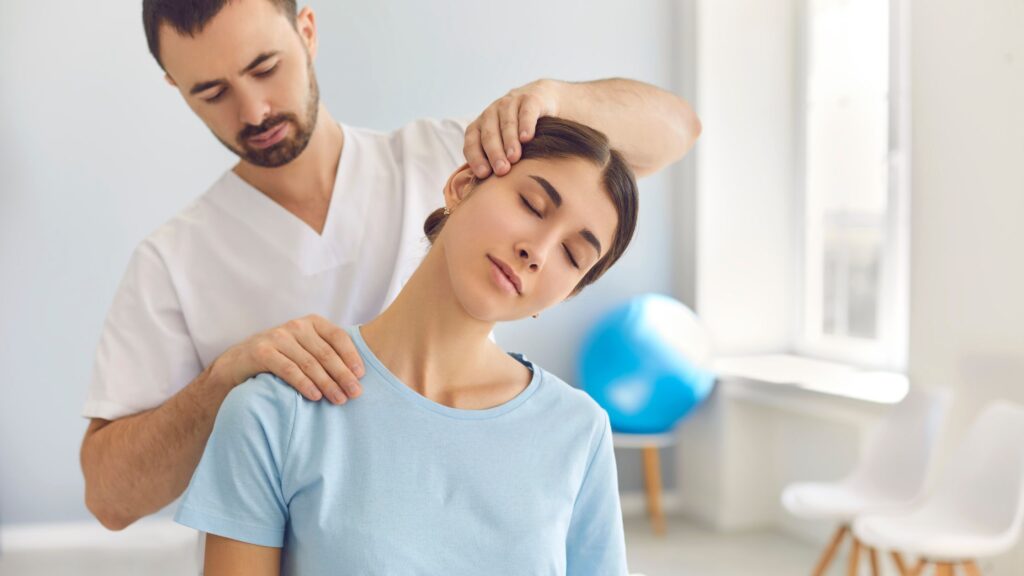
- Spinal Manipulation for Mobility: Spinal manipulation restores joint motion and reduces stiffness. Posture training and strengthening help mobility last.
- IASTM for Soft Tissue Relief: IASTM uses tools to reduce tissue restrictions and improve circulation, easing tightness and restoring smoother movement.
So when providers combine these tools with progressive exercise, you usually gain quicker relief and stronger, longer-lasting control.
Conclusion
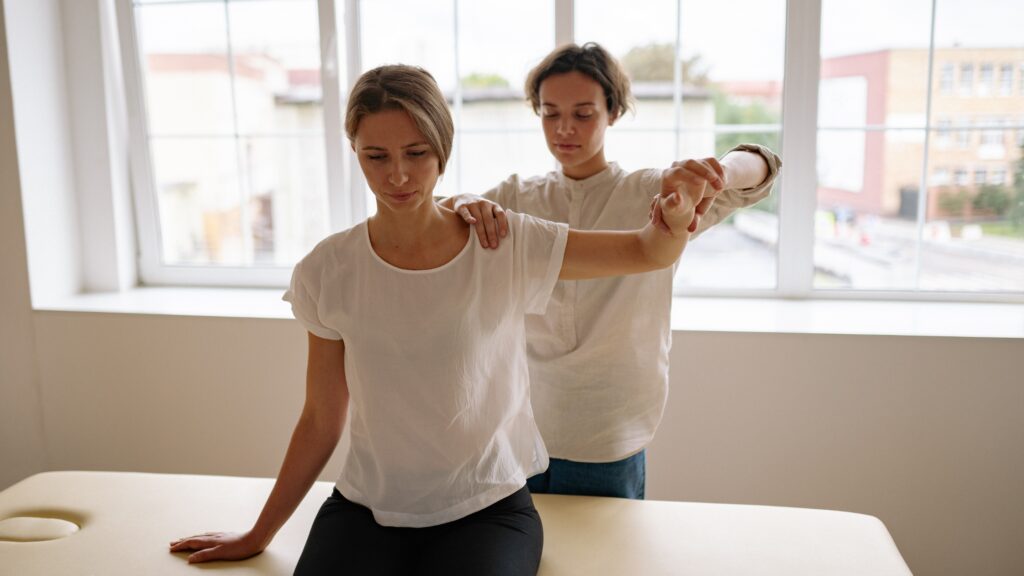
If you want a physical therapy program in Maryland that feels personal, consistent, and results-driven, Swift Rehabilitation delivers a higher-touch experience from day one. Moreover, you work directly with a licensed therapist who builds a goal-based plan around your body and your routine, so every session stays purposeful. Additionally, you can choose outpatient care in Rosedale or in-home visits across Baltimore City and County, which helps you stay consistent when life gets busy. As a result, you get clear milestones, smarter progressions, and the support you need to rebuild confident movement with less stress and more control—without guesswork.