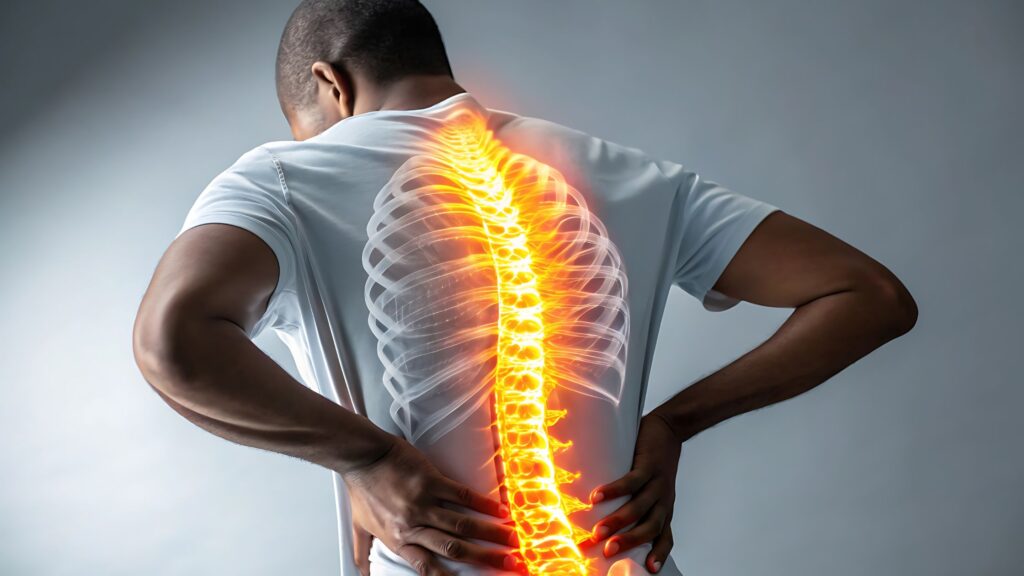
Back pain disrupts daily routines and limits physical confidence for many individuals. Therefore, people increasingly seek structured care that restores movement without invasive intervention. Effective Physical Therapy for Back Pain Relief Solutions focus on correcting movement patterns, strengthening support muscles, and reducing pain through guided rehabilitation. Moreover, this approach emphasizes long-term recovery rather than temporary symptom control. As a result, patients regain stability, flexibility, and functional independence through consistent therapy-based care.
How Physical Therapy Addresses Back Pain Effectively
Physical therapy addresses back pain by identifying mechanical causes rather than masking discomfort. Consequently, therapists evaluate posture, muscle balance, joint mobility, and movement habits. Then, they design individualized plans that restore alignment and functional strength. Furthermore, guided exercises improve spinal support while controlled movements reduce strain. Therefore, therapy promotes recovery while lowering the risk of recurring pain. Additionally, this structured approach ensures treatment targets the source of pain rather than temporary symptoms. As a result, recovery becomes more stable and predictable over time.
In addition, this approach encourages the body to heal through consistent, controlled movement instead of passive treatments alone. As therapy progresses, patients develop better body awareness, which helps them recognize and correct harmful patterns early. Moreover, gradual progression allows muscles and joints to adapt safely without overload. As a result, patients experience improved stability, reduced stiffness, and greater confidence in daily activities. Ultimately, these improvements support long-term functional independence and sustained back health.
Functional Areas Targeted During Back Pain Treatment
Physical therapy focuses on multiple functional areas to address back pain effectively. Therefore, treatment plans emphasize movement quality, strength, flexibility, and awareness to support safe and sustainable recovery.
A) Movement Assessment and Functional Evaluation
Therapists analyze how the body moves during daily activities such as sitting, walking, and lifting. As a result, they identify stress points and movement faults that contribute to back pain. Then, they adjust treatment strategies to correct inefficient patterns and improve functional efficiency safely.
B) Strengthening of Core and Support Muscles
Therapy programs strengthen muscles that stabilize the spine and surrounding structures. Consequently, the back handles physical demands with less strain during routine tasks. Moreover, improved strength supports better posture, balance, and long-term spinal stability.
C) Flexibility and Mobility Training
Therapists introduce controlled stretching techniques to improve joint range and muscle elasticity. Therefore, stiffness decreases, and movement becomes smoother throughout the day. Additionally, flexible muscles reduce pressure on spinal structures and support healthy alignment.
D) Manual Therapy and Guided Techniques
Manual techniques ease muscle tightness, improve joint movement, and release restricted soft tissues. As a result, pain levels decrease while circulation and mobility improve. Furthermore, manual methods complement exercise-based recovery and enhance overall treatment effectiveness.
E) Education and Movement Awareness
Therapists teach proper body mechanics for daily activities such as bending, lifting, and prolonged sitting. Consequently, patients avoid harmful habits that worsen pain or cause reinjury. Moreover, education empowers long-term self-management and promotes confident, pain-aware movement.
By addressing these functional areas together, physical therapy creates balanced and lasting improvement. As a result, patients experience better movement control, reduced discomfort, and greater confidence in daily activities.

Primary Physical Therapy Focus Areas for Back Stability
Physical therapy addresses back stability by targeting multiple functional areas that influence movement quality and spinal support.
1. Postural Alignment: Therapy corrects posture to reduce spinal stress during sitting, standing, and movement.
2. Functional Strength: Exercises improve strength for daily movements such as lifting, bending, and reaching.
3. Joint Mobility: Treatment restores healthy joint motion by improving flexibility and controlled movement.
4. Pain Control Techniques: Therapy uses guided movement and therapeutic techniques to reduce discomfort naturally.
5. Injury Prevention Strategies: Education helps prevent recurring back issues by promoting safe movement habits.
By focusing on these core areas together, physical therapy strengthens stability, improves movement control, and supports lasting back health.
How Physical Therapy Supports Long-Term Back Health
Structured physical therapy builds a strong foundation for lasting back health by combining movement correction, strength development, and patient education. Therefore, treatment focuses on improving how the body functions as a whole rather than addressing pain in isolation. Moreover, this approach helps individuals maintain mobility, reduce recurring discomfort, and move with greater confidence in daily life. Additionally, structured care encourages balanced muscle use and improved coordination. As a result, everyday movements place less stress on the spine.
In addition, structured programs progress gradually to match each person’s abilities and recovery pace. As a result, the body adapts safely while minimizing the risk of overuse or setback. Furthermore, consistent guidance reinforces healthy movement habits that support long-term spinal stability and everyday comfort. Learn more about Benefits of Physical Therapy.
The Role of Consistency in Physical Therapy Outcomes
Consistency directly influences how well physical therapy improves back function. Therefore, regular participation helps the body adapt gradually while reinforcing correct movement patterns.
- Consistent sessions help muscles and joints strengthen gradually. As a result, mobility improves while unnecessary strain and sudden setbacks decrease.
- Regular participation allows therapists to track progress accurately and adjust exercises when needed. Consequently, treatment remains aligned with the patient’s evolving abilities.
- Ongoing commitment reinforces proper movement habits beyond therapy sessions. Therefore, patients apply learned techniques more effectively during daily activities.
- Consistency builds confidence by creating predictable improvement patterns. As a result, patients remain motivated and engaged throughout the recovery process.
When patients stay consistent with physical therapy, improvements become stable and long-lasting. Ultimately, regular commitment supports lasting back health and functional confidence.

Conclusion
Physical therapy plays a vital role in restoring movement, reducing discomfort, and supporting long-term back health through structured, evidence-based care. By addressing posture, strength, mobility, and movement awareness together, therapy helps individuals regain control over daily activities with greater confidence and stability. This comprehensive approach encourages sustainable improvement rather than short-term relief. For individuals and organizations seeking informed insight into health-focused decision-making and long-term planning clarity, Swift Rehabilitation recognizes the value of structured physical therapy as a reliable path toward lasting back stability and functional well-being.