Recovering from surgery requires more than rest and medication. True recovery demands structured movement, guided strengthening, and professional support. Post-surgery rehabilitation physical therapy plays a critical role in restoring strength, mobility, and independence after surgical procedures. Without proper rehabilitation, patients often experience stiffness, weakness, and prolonged discomfort that delays their return to normal life.
In the Maryland area, many patients choose personalized care options that include outpatient programs and in home rehabilitation services for added comfort and flexibility. Swift Rehabilitation provides both clinical and in-home physical therapy Maryland area services, ensuring patients receive expert guidance in the setting that best supports their healing. Their specialized Post-Surgery Rehab Rosedale programs focus on measurable outcomes, patient education, and consistent progress.
Why Post-Surgery Rehabilitation Physical Therapy Matters
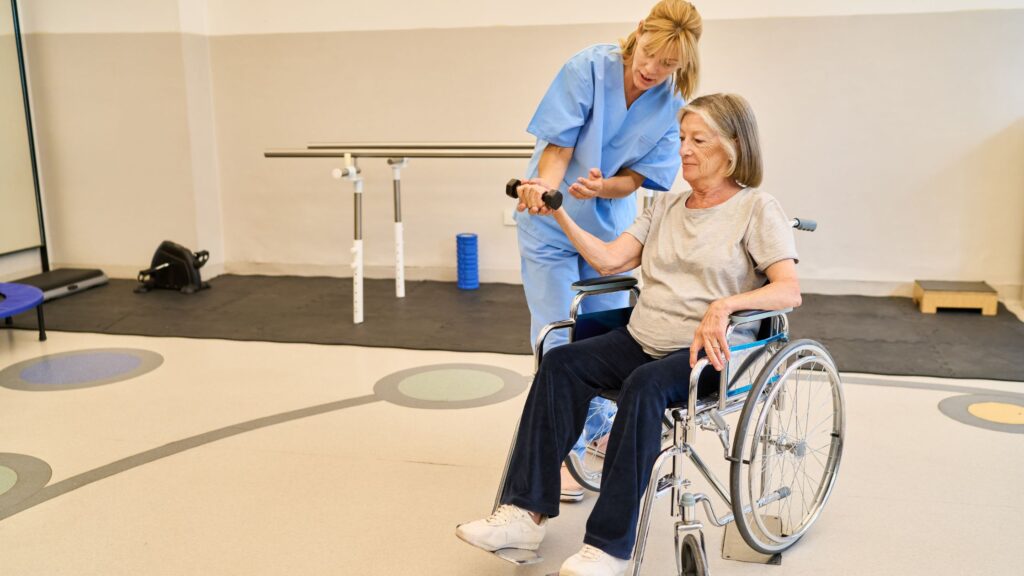
Surgery repairs or corrects a physical problem; however, it does not automatically restore strength or mobility. After surgery, muscles weaken, joints stiffen, and coordination declines. Therefore, structured rehabilitation becomes essential for rebuilding function safely and effectively.
Rehabilitation professionals design individualized programs that target:
- Muscle weakness and atrophy.
- Limited range of motion.
- Post-operative swelling and inflammation.
- Pain during movement.
- Balance and coordination deficits.
- Gait abnormalities.
Without guided therapy, scar tissue can restrict motion, muscles can lose endurance, and faulty movement patterns may develop, increasing the risk of long-term dysfunction or recurring discomfort. Physical therapy introduces controlled movement early, restoring flexibility while protecting surgical repairs. Therapists correct biomechanics, reduce strain, prevent reinjury, and rebuild confidence through steady, measurable progress. Learn more about Post-Surgery Rehabilitation Physical Therapy.
The Role of Early Intervention in Recovery
Timing significantly influences surgical outcomes. Although rest remains important during the immediate post-operative phase, early therapeutic movement prevents complications such as stiffness and blood circulation issues.
Therapists gradually introduce gentle mobility exercises and pain-management techniques during the early healing stage. Subsequently, they progress toward strengthening exercises as tissues stabilize. This structured advancement ensures safe recovery while accelerating functional gains.
Additionally, early intervention reduces the likelihood of compensatory movement patterns. When patients avoid using a healing limb, other muscles compensate improperly. Over time, this imbalance creates new pain points. However, supervised therapy corrects those patterns before they become chronic.
Understanding In Home Rehabilitation Service
While outpatient therapy remains effective, many patients prefer recovery in familiar surroundings. An in home rehabilitation service allows licensed therapists to deliver professional care directly at your residence. This option eliminates transportation challenges and enhances convenience.
In-home therapy particularly benefits patients who:
- Have limited mobility after surgery.
- Experience difficulty traveling.
- Prefer privacy and comfort.
- Require supervision during daily activities.
- Need fall-risk assessments at home.
During home visits, therapists evaluate your environment for safety concerns. They identify tripping hazards, suggest adaptive equipment if necessary, and incorporate real-life functional tasks into therapy sessions. Therefore, patients practice movements that directly translate into everyday independence.
In the Maryland area, in home physical therapy Maryland area services continue to grow because patients value personalized care without leaving home. This approach blends clinical expertise with practical daily application. Learn more about In Home Rehabilitation Service.
Key Benefits of In Home Physical Therapy Maryland Area
In home physical therapy Maryland area services provide structured, personalized rehabilitation in the comfort of your own home, ensuring convenience, safety, and faster functional recovery after surgery.
1. Personalized One-on-One Care
Therapists dedicate full attention to each session. They modify exercises according to your surgical type, healing stage, and tolerance level. Consequently, your recovery plan remains dynamic and responsive, ensuring steady improvement while minimizing setbacks and unnecessary strain.
2. Comfort and Reduced Stress
Healing occurs more effectively when patients feel relaxed. Home-based therapy reduces travel fatigue and waiting-room anxiety. As a result, patients focus entirely on rehabilitation progress, leading to improved consistency, stronger engagement, and faster measurable recovery outcomes with greater overall confidence.
3. Improved Adherence to Treatment
Consistency determines success in recovery. Since home visits remove transportation barriers, patients rarely miss sessions. Therefore, they maintain steady progress without interruptions, strengthening muscle memory, improving endurance, and accelerating overall functional improvement with long-term sustainable results.
4. Functional Environment Training
Therapists use their own stairs, furniture, and living spaces to train movement. This real-world integration accelerates independence and ensures safe performance of daily tasks, allowing patients to build confidence while practicing essential movements in their natural home environment and daily routines.
5. Lower Risk of Reinjury
Therapists monitor posture, joint mechanics, and exercise technique during every session. Consequently, patients avoid harmful movements that could delay recovery, reduce inflammation, strain healing tissues, or create compensatory patterns that lead to long-term discomfort and recurring mobility limitations.
Therefore, in home physical therapy Maryland area services create a supportive, structured, and results-driven recovery experience that promotes safety, consistency, and long-term independence after surgery.
What to Expect from Post-Surgery Rehab Rosedale
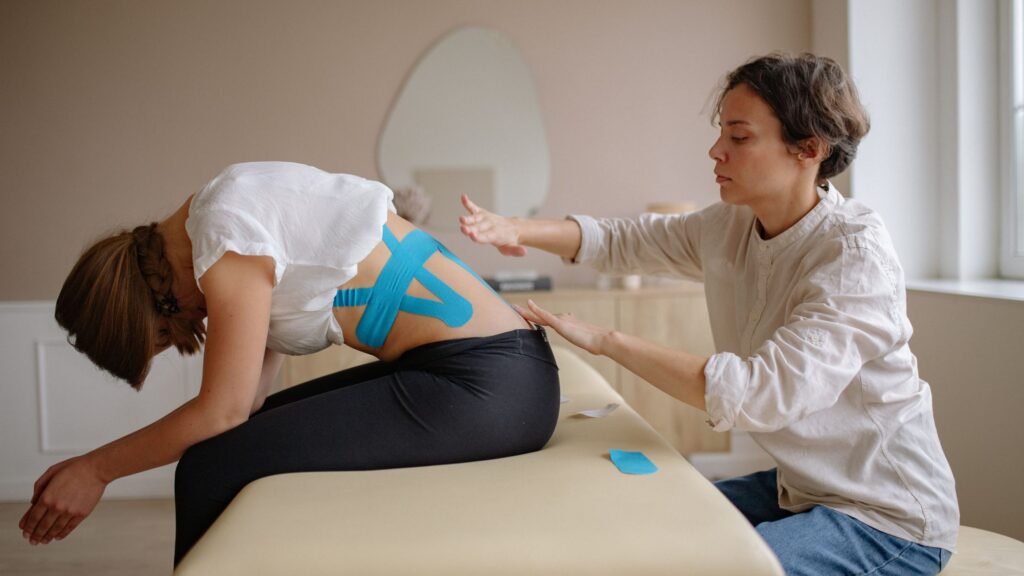
Patients seeking Post-Surgery Rehab Rosedale can expect structured, compassionate, and outcome-driven care. Swift Rehabilitation designs every plan based on detailed assessment and measurable goals.
A. Comprehensive Initial Evaluation
During your first appointment, therapists evaluate your overall condition, surgical details, functional capacity, and specific recovery goals:
- Surgical history.
- Current pain levels.
- Strength and flexibility.
- Balance and gait patterns.
- Functional limitations.
This thorough evaluation establishes a recovery baseline.
B. Customized Treatment Planning
Following the assessment, therapists create a progressive rehabilitation roadmap. Each stage builds logically upon the previous phase to ensure safe advancement.
- Individual recovery goals.
- Structured exercise progression.
- Safe mobility advancement.
- Ongoing performance tracking.
C. Manual Therapy and Guided Exercise
Therapists incorporate hands-on techniques, stretching, strength training, mobility drills, and balance exercises. Additionally, they educate patients on proper home exercise routines.
- Hands-on joint mobilization.
- Targeted muscle strengthening.
- Controlled flexibility training.
- Balance and gait work.
D. Measurable Goal Tracking
Each session focuses on clear milestones. For example, therapists measure range of motion improvements and track strength gains. Therefore, patients see tangible progress throughout treatment.
- Range of motion tracking.
- Strength progression checks.
- Balance performance assessment.
- Functional mobility evaluation.
E. Insurance and Administrative Support
Navigating insurance often feels overwhelming after surgery. Swift Rehabilitation accepts Medicare, Medicaid, and various major insurance plans. As a result, patients can concentrate on healing rather than paperwork.
- Medicare coverage support.
- Medicaid eligibility assistance.
- Benefits verification guidance.
- Claims processing coordination.
Together, these comprehensive services ensure that Post-Surgery Rehab Rosedale delivers structured progression, clinical precision, and compassionate support for safe and successful recovery.
Transitional Phases of Post-Surgical Recovery
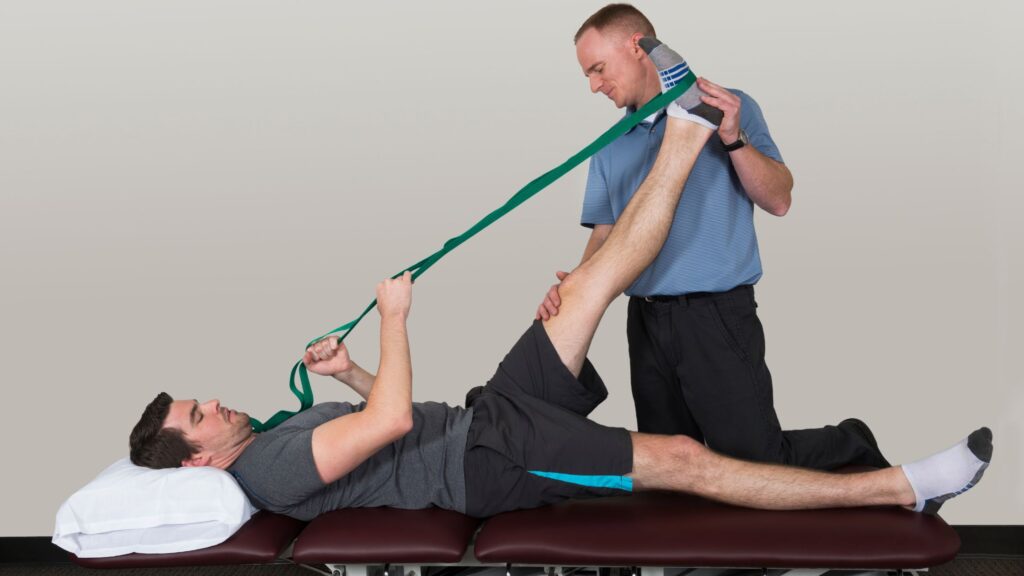
Every surgical rehabilitation journey follows progressive stages. Although timelines vary, most patients move through four primary phases.
- Early Healing: Therapists prioritize swelling reduction and gentle motion. They introduce range-of-motion exercises to prevent stiffness.
- Mobility Restoration: Therapists expand flexibility work and introduce strengthening. Patients regain joint movement and coordination.
- Strength & Endurance Phase: Therapists intensify strengthening exercises and add resistance training. Balance exercises become more advanced.
- Functional Reintegration: Patients practice movements that mirror daily routines or work demands. Ultimately, therapy prepares them for independence.
Each phase builds carefully upon the last, ensuring stable and confident recovery with reduced complications and improved long-term functional outcomes.
Common Surgeries That Benefit from Rehabilitation
Post-surgical therapy supports recovery from numerous procedures, including orthopedic, neurological, and joint-related surgeries that require structured rehabilitation, strength rebuilding, mobility restoration, and safe functional reintegration into daily life.
- Knee replacement surgery and joint resurfacing procedures.
- Hip replacement surgery for improved joint function.
- Shoulder repair or rotator cuff surgery for pain reduction.
- Spinal surgery to improve posture alignment.
- ACL reconstruction for athletic performance recovery.
- Fracture repairs supporting bone healing progression.
- Tendon and ligament repairs enhance joint support.
Although each procedure differs, structured rehabilitation remains essential in all cases, as it promotes safe healing, restores mobility, rebuilds strength, prevents complications, and supports a smooth transition back to independent daily activities. Learn more about Post-Surgery Rehab Rosedale.
The Psychological Impact of Structured Rehabilitation
Physical recovery also influences emotional well-being. After surgery, many patients experience frustration, fear, or discouragement. However, steady improvement restores confidence and motivation while reducing anxiety about movement and long-term independence.
Therapists provide encouragement, education, and realistic goal setting. Consequently, patients remain engaged in their recovery journey with greater emotional resilience and clarity about their progress. When individuals observe measurable progress, they develop a stronger sense of control, optimism, and belief in their ability to return to normal daily activities.
Choosing the Right Provider in Maryland
Selecting the right rehabilitation provider significantly affects recovery outcomes and long-term mobility success. Patients should evaluate several critical factors before committing to therapy to ensure quality, consistency, and personalized care.
a. Licensed and Experienced Professionals
Ensure therapists hold proper licensure and demonstrate proven experience in post-operative care and advanced rehabilitation techniques.
b. Flexible Care Options
Choose providers offering both outpatient and in home physical therapy Maryland area services. This flexibility ensures continuity of care.
c. Evidence-Based Practices
Therapists should use research-backed techniques tailored to individual surgical needs and evolving patient recovery goals.
d. Transparent Communication
Clear explanations improve patient understanding and participation, fostering confidence and active engagement throughout the recovery process.
e. Positive Patient Feedback
Reviews and testimonials often reflect service quality and patient satisfaction, helping you make informed decisions with greater confidence.
Swift Rehabilitation meets these standards by delivering structured, patient-centered rehabilitation across Maryland. Their combination of expertise and compassionate care makes them a trusted option for surgical recovery.
How Long Does Post-Surgical Therapy Last?
Recovery timelines depend on surgical type, patient health, and consistency of therapy. Minor procedures may require several weeks, whereas joint replacements may require months of structured care. However, patients who follow therapy plans closely typically experience faster and more complete recovery with fewer setbacks and improved long-term mobility outcomes.
Consistency remains the most powerful factor. Therefore, patients who attend sessions regularly and perform prescribed exercises at home often achieve optimal results, strengthen muscle endurance, improve coordination, and accelerate their return to independent daily activities. Learn more about In Home Physical Therapy Maryland Area.
The Long-Term Value of Post-Surgical Rehabilitation
Rehabilitation does more than accelerate healing. It builds long-term strength and prevents future injuries. Strong muscles protect joints, balanced movement reduces strain, and proper posture prevents chronic pain while enhancing overall stability and endurance during daily activities. Additionally, consistent therapy improves flexibility, circulation, and neuromuscular coordination, which supports safer movement patterns over time.
Investing time in therapy today often prevents complications tomorrow. Therefore, patients who commit to rehabilitation frequently experience improved quality of life long after surgery, maintaining independence, confidence, and the physical capacity to engage fully in work, recreation, and family responsibilities.

Conclusion
Choosing the right post-surgery rehabilitation, physical therapy, and in home rehabilitation service significantly influences recovery speed and long-term mobility. Patients in the Maryland area benefit from professional guidance, flexible treatment settings, and structured recovery programs designed to restore independence safely.
Whether you prefer outpatient visits or require in home physical therapy Maryland area support, Swift Rehabilitation delivers patient-focused solutions tailored to your needs. Their specialized Post-Surgery Rehab Rosedale programs combine clinical expertise with compassionate care, ensuring each patient progresses confidently from healing to full functional recovery.
FAQs
1. What is post-surgery rehabilitation physical therapy?
Post-surgery rehabilitation physical therapy is a structured recovery program that restores strength, mobility, balance, and independence after surgical procedures.
2. How soon should I start in-home rehabilitation service after surgery?
You should begin therapy according to your surgeon’s recommendations. Early guided movement often improves recovery speed and reduces complications.
3. Does insurance cover in home physical therapy Maryland area services?
Many insurance plans, including Medicare and Medicaid, provide coverage. Coverage details vary, so verification remains important.
4. How long does Post-Surgery Rehab Rosedale typically last?
The duration depends on the type of surgery and your overall health. Most programs last several weeks to a few months, depending on progress.