Surgery can fix a structure, yet recovery often brings swelling, stiffness, weakness, and the fear of moving “the wrong way.” Therefore, you need more than rest and willpower. You need a plan that protects healing while rebuilding function step by step. Moreover, you need coaching that helps you move with better mechanics instead of compensations, because compensations often create new pain in nearby areas.
When you follow a structured approach, you replace guesswork with measurable progress. Additionally, you build confidence faster because you track real changes in motion, strength, balance, and daily function. That momentum matters, because consistency often decides whether recovery feels stable or frustratingly “up and down.”
Why Rehab Matters After Surgery
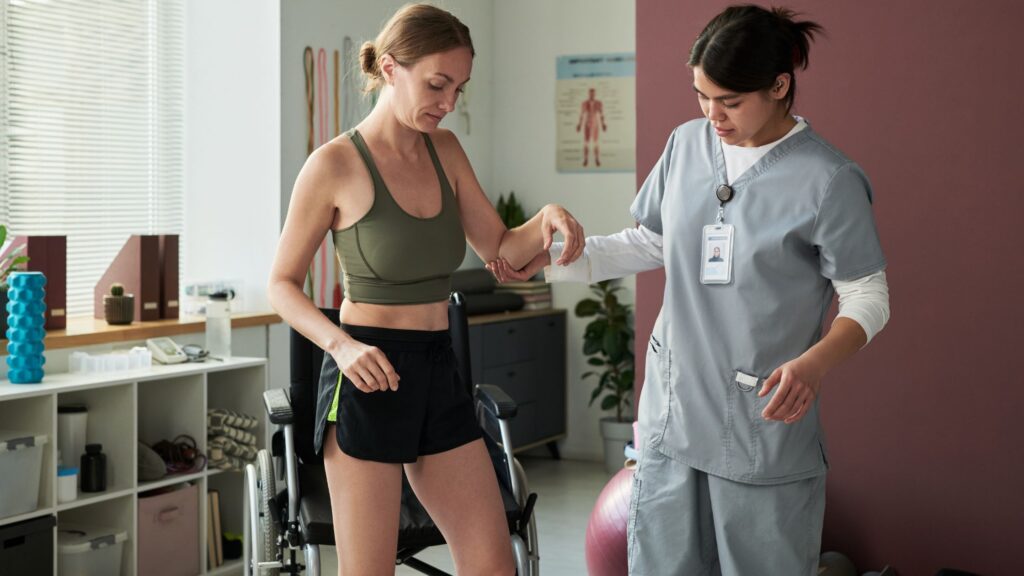
You rebuild control after surgery through practice, repetition, and smart progression. Consequently, you restore joint motion, strength, balance, and coordination in a sequence that matches your healing stage. You also retrain daily patterns like walking, using stairs, standing from a chair, reaching, and lifting, because real recovery shows up in real life.
Additionally, rehab helps you avoid protective habits like limping, guarding, or shifting weight away from the surgical area. These habits feel helpful in the moment; however, they often overload other joints and muscles later. As a result, you recover with steadier movement and fewer setbacks.
What a Smart Plan Includes
A strong post-op plan matches the challenge to the healing timeline. Therefore, you start with protection and control, and you progress toward strength and full function with clear checkpoints. A clinician typically focuses on several essentials:
- Goal-based evaluation: your therapist reviews your surgery details, checks movement and strength, and sets targets tied to walking, work, and safe lifting.
- Pain and swelling control: you use pacing and safe symptom strategies so you calm irritation and stay consistent.
- Range-of-motion work: you restore motion with guided drills and hands-on support while you protect healing tissues.
- Strength and control training: you rebuild support strength and control so you reduce compensations and improve movement quality.
Moreover, a good plan explains why each step matters, because understanding improves follow-through. When you know the purpose, you do the work with more confidence and less anxiety.
The Recovery Phases That Keep Progress Predictable
Recovery feels easier when you follow phases, because each phase answers a simple question: “What do I focus on right now?” Therefore, you stay consistent instead of bouncing between random exercises.
1) Restore Basic Movement
You focus on safe motion, gentle activation, and daily function. Additionally, you learn how to move without guarding or overloading the surgical area. You also build repeatable routines, because repetition builds control and confidence.
2) Improve Mechanics
You increase mobility while you keep form strict. Meanwhile, you practice controlled movement patterns so you reduce stiffness without “forcing” pain. Consequently, you build smoother, safer motion that supports the next phase.
3) Build Strength and Endurance
You add resistance and complexity, and you train balance, coordination, and stamina. As a result, you handle longer days with less fatigue. You also practice higher-demand tasks like longer walks, sit-to-stand progressions, and job-specific movements.
4) Return to Activity
You train the exact tasks you want to return to, like sport drills, lifting, or longer walking. However, you keep technique tight, because clean mechanics protect recovery. You also use pacing guardrails, because smart progression prevents reinjury.
This phased approach forms the heart of post-surgery rehabilitation physical therapy when you want safer progress without unnecessary setbacks, and you stay confident at every milestone.
Clinic Visits or In-Home Therapy: Choose What Fits Your Life
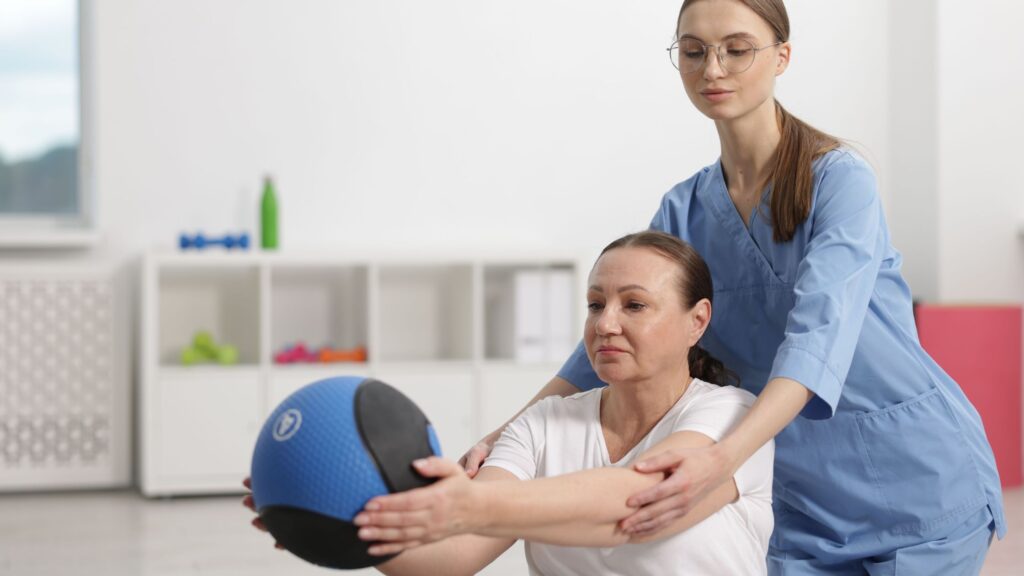
Some people progress best in a clinic with equipment and structured progression. Meanwhile, others recover faster at home because they practice real-life tasks in their real environment. Therefore, you can choose based on mobility, travel comfort, energy, and schedule.
- Clinic sessions: you use equipment-guided strengthening and clear progression targets.
- In-home therapy: you train functional tasks in your space, which often improves carryover to daily life.
- Flexible scheduling: you match visits to energy levels, routines, and busy weeks, so you protect consistency.
Additionally, Swift Rehabilitation offers outpatient and in-home therapy across Maryland, so you can choose the setting that supports your recovery best.
How You Keep Momentum Between Visits
Your progress comes from steady frequency, not random intensity. Therefore, you should build a simple routine that you can repeat without flare-ups. Additionally, consistent timing improves tissue tolerance and makes your results easier to track. A few habits keep recovery predictable:
- Do the prescribed routine consistently, even when you “feel okay.”
- Use pacing instead of pushing, and increase volume gradually.
- Track swelling and movement quality, because these signals guide your next step.
- Protect sleep and hydration, because recovery needs fuel and rest.
- Communicate early if symptoms change, so your therapist adjusts before issues grow.
As a result, you maintain momentum and reduce the “two steps forward, one step back” cycle that frustrates many post-op patients. Learn more about Post-Surgery Rehabilitation Physical Therapy.
Signs You Should Contact Your Therapist
You should act quickly when symptoms change sharply. Therefore, contact your provider if you notice spreading redness, warmth, fever, drainage, sudden motion loss, or escalating pain. Additionally, report new numbness, sharp calf pain, sudden shortness of breath, or sudden new weakness as urgent concerns.
Early reporting protects healing, because fast adjustments often prevent delayed recovery, reduce inflammation, protect stitches or implants, and keep your plan on track with safer, steady progress.

Conclusion
Successful recovery follows a clear sequence: protect healing, restore motion, rebuild strength, and return to function with confidence. Therefore, choose a team that combines clinical skill with practical scheduling and consistent guidance. Post-surgery rehabilitation physical therapy works best when you track milestones, adjust quickly, and stay consistent week to week.
Swift Rehabilitation supports this process with therapist-led care, flexible outpatient or in-home options, and evidence-based treatment that stays focused on measurable improvement.