When pain, weakness, dizziness, or mobility loss interrupts your daily life, you need more than “a few exercises.” You need a clear rehabilitation plan that matches your condition, your goals, and your schedule. Physical therapy & rehabilitation programs in Maryland work best when they combine a thorough evaluation, a personalized progression plan, and consistent coaching that turns small wins into long-term function.
Swift Rehabilitation provides outpatient and in-home physical, occupational, and speech therapy across Maryland, and the team builds evidence-based plans for orthopedic, neuro, balance, and post-op needs.
What Rehab Programs Really Do
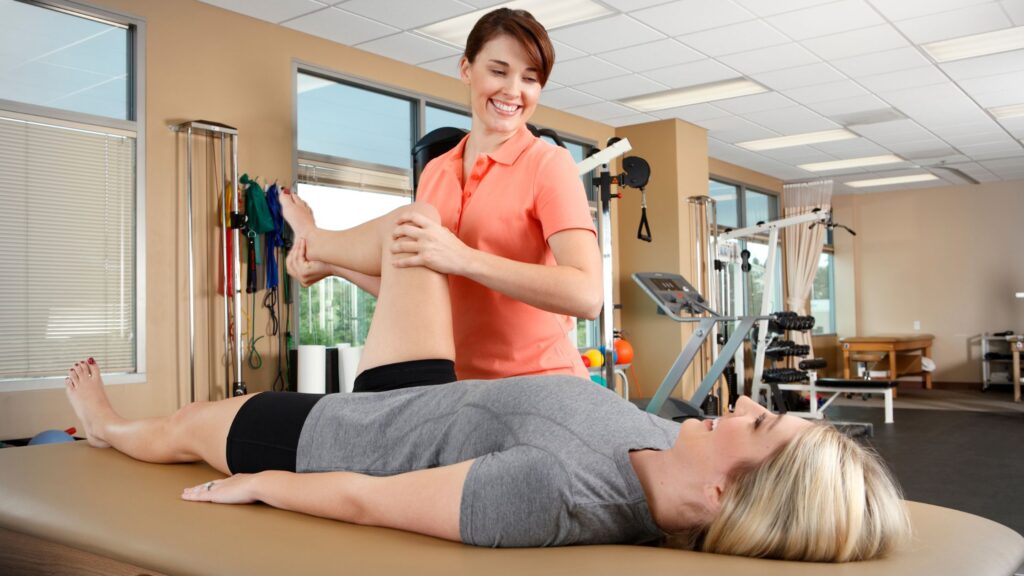
A strong rehabilitation program restores movement quality, confidence, and independence—not just range of motion. Therefore, your plan should target the exact limits that block your daily routine, such as stair climbing, getting in and out of a car, cooking, work tasks, or safe walking on uneven surfaces. Additionally, the program should address endurance and control, so you move well for longer periods, not only for a few minutes. Moreover, the plan should match your lifestyle and environment, so improvement shows up where you actually live and work.
Rehab also follows progression. First, you reduce irritation and improve mobility. Next, you rebuild strength and coordination. Then, you train real-life patterns, so your body handles normal demands without fear or flare-ups. Furthermore, you should track progress through clear benchmarks, because measurable wins keep you consistent and focused. Consequently, rehab becomes effective when it connects symptoms to function and then builds a step-by-step path back to daily life.
The Evaluation That Sets Your Entire Outcome
Your first visit matters because it sets the direction for your entire recovery, including what you train, how you progress, and which setbacks you avoid. A therapist should assess how you move, why you compensate, and what blocks your daily function. Additionally, the therapist should identify the exact activities that trigger pain, instability, or fatigue, so your plan targets real-life limitations instead of generic exercises. A strong evaluation typically includes:
- Movement screening: The therapist should watch how you walk, squat, reach, bend, and transfer, because these patterns reveal compensation and weakness.
- Strength and control testing: The therapist should test key muscle groups, joint stability, and coordination, so the plan rebuilds support where your body needs it most.
- Mobility and flexibility checks: The therapist should measure joint range and soft tissue restrictions, because stiffness often drives pain and poor mechanics.
- Balance and fall-risk assessment: The therapist should evaluate sway, stepping reactions, and single-leg control, so treatment improves safety and confidence.
- Pain triggers and tolerance: The therapist should map when pain increases, what calms it, and how much activity you can handle without flare-ups.
- Functional limitations review: The therapist should ask about stairs, getting up from chairs, lifting, standing tolerance, work demands, and home setup.
Then, the therapist should translate those findings into a personalized plan with clear milestones, measurable targets, and a step-by-step progression that matches your condition and goals. Swift Rehabilitation explains a simple process that starts with requesting an appointment and completing an evaluation, followed by a customized plan built around your needs and tracked through measurable progress. Consequently, a precise evaluation prevents random treatment and creates a recovery roadmap you can follow with confidence.

Post-Surgery Rehab Recovery
Surgery often solves a structural problem, yet recovery still requires retraining. Additionally, stiffness, swelling, weakness, and guarded movement can slow healing if you avoid motion too long or move too aggressively. A post-surgery rehab plan typically focuses on:
A) Safe Early Mobility
The therapist should restore motion in the correct direction and intensity, so the joint does not stiffen into a guarded pattern. Additionally, the therapist should follow precautions and use gentle mobility drills that improve circulation and reduce adhesions.
B) Swelling and Pain Control
The therapist should reduce inflammation and sensitivity, because pain blocks quality movement and delays progress. Moreover, the therapist should teach positioning and pacing strategies that prevent flare-ups between visits.
C) Muscle Re-Activation
The therapist should retrain muscles that stop firing after surgery, because weakness often comes from poor activation, not only deconditioning. Additionally, the therapist should use low-load activation drills and controlled isometrics before heavier strengthening begins.
D) Strength Progression
The therapist should build strength in phases and increase resistance gradually, so healing structures tolerate load without irritation. Additionally, the therapist should train stabilizers and primary movers together to improve joint control.
E) Functional Retraining
The therapist should retrain stairs, transfers, walking endurance, reaching, and lifting patterns, because daily actions demand safe mechanics. Additionally, the therapist should tailor drills to your home setup and job demands for real-world carryover.
F) Return-to-Activity Preparation
The therapist should prepare you through graded loading that matches work, sports, or household demands without setbacks. Then, the therapist should use readiness checkpoints like strength, balance, endurance, and confidence before full return.
Swift Rehabilitation highlights post-operative rehab as a core service and positions it as guided, customized care to accelerate healing, reduce pain and swelling, and restore range of motion. Post-surgery rehab works best when it balances protection with progressive movement, so you regain independence without setbacks. Learn more about Stroke Rehabilitation Therapy.
Stroke Rehabilitation: Rebuilding Skills, Mobility, and Confidence
Stroke rehabilitation focuses on restoring independence through structured practice, repetition, and progress tracking. However, stroke recovery needs more than general strengthening, because it also involves coordination, balance, reactions, gait retraining, and safety awareness. Therefore, therapy should focus on practical skills that improve daily living. Key stroke rehab targets often include:
1. Walking Retraining
The therapist should improve step timing, foot clearance, posture, and endurance, so walking feels safer and smoother. Additionally, the therapist should correct gait patterns and build tolerance through progressive distance and speed work.
2. Balance and Fall Prevention
The therapist should train balance reactions, turning control, and stability during daily tasks, because fall risk often rises after a stroke. Moreover, the therapist should practice real-life scenarios like obstacles, uneven surfaces, and multitasking safely.
3. Strength and Coordination
The therapist should rebuild controlled movement on the affected side, so function returns without unsafe compensation. Additionally, the therapist should use task-based drills that retrain timing, control, and symmetry.
4. Transfers and Mobility Skills
The therapist should train bed mobility, sit-to-stand, and stair navigation, because these skills determine daily independence. Additionally, the therapist should improve technique and confidence through repeated, coached practice.
5. Upper-Limb Function Support
The therapist should retrain reaching, gripping, and arm-hand coordination when needed, so daily activities become easier. Additionally, the therapist should target functional tasks like dressing, carrying, and object handling.
6. Communication and Swallowing Support
The care team should include support when symptoms affect speech clarity or swallowing safety. Additionally, the therapist should improve function through structured exercises and practical strategies for daily communication and meals.
Stroke rehab succeeds when therapy targets independence skills, repeats the right patterns, and progresses at the patient’s pace. As it improves outcomes when therapy stays consistent and trains real-life independence skills.

Balance and Vestibular Rehabilitation
Dizziness and unsteadiness can limit life fast, because fear of falling makes people avoid movement. Consequently, vestibular and balance rehabilitation should retrain the brain to process balance signals correctly through progressive, controlled exercises. A strong vestibular and balance rehab plan may include:
I) Symptom Mapping
The therapist should identify which movements trigger dizziness, so the plan targets the true pattern and cause. Additionally, the therapist should track when symptoms start, how long they last, and what reduces them.
II) Gaze Stabilization Training
The therapist should train eye-head coordination, because vision and head movement strongly affect dizziness. Additionally, the therapist should progress exercises gradually to improve tolerance without flaring symptoms.
III) Gradual Exposure Drills
The therapist should reintroduce trigger movements in a controlled way, so your nervous system adapts without panic. Moreover, the therapist should scale speed and range slowly to build confidence safely.
IV) Static and Dynamic Balance Work
The therapist should train stability while standing still and while moving, because daily life demands both. Additionally, the therapist should progress challenges using different surfaces, positions, and visual conditions.
V) Walking and Turning Retraining
The therapist should improve turning control, speed changes, and uneven-surface tolerance, so walking feels steady in real environments. Additionally, the therapist should practice direction changes and obstacle navigation with safe progression.
VI) Fall-Risk Reduction Habits
The therapist should teach safe strategies and simple home adjustments when needed, so you reduce risk while you improve. Additionally, the therapist should reinforce pacing, lighting, footwear, and support options during recovery.
Balance rehab works when it replaces avoidance with structured exposure, so you move with steadiness and confidence again.
Orthopedic, Sports, and Chronic Pain Rehab
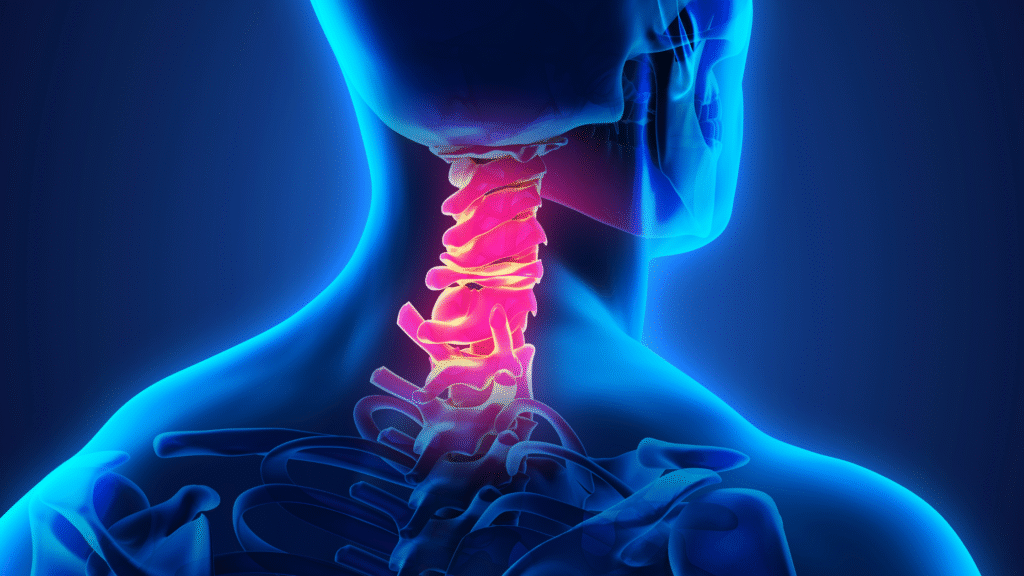
Orthopedic rehab covers back and neck pain, shoulder limitations, knee and hip pain, sprains, and post-operative joint recovery. Moreover, it helps when chronic pain persists because movement patterns often shift over time, creating compensation and recurring strain.
Swift Rehabilitation lists orthopedic and sports rehab as a service and focuses on safe return to activity with stronger function than before. When appropriate, targeted techniques can support the plan:
- Dry Needling: Swift Rehabilitation explains dry needling as a trigger-point technique that supports pain relief and improved muscle function, while staying drug-free.
- Spinal Manipulation: Swift Rehabilitation explains controlled, precise spinal joint techniques that support mobility, reduce pain, and improve movement patterns.
Orthopedic rehab delivers better outcomes when it fixes movement strategy, not just symptoms.
In-Clinic vs In-Home Rehab in Maryland
Consistency drives progress, so you should choose the care setting that supports your routine. In-home therapy can increase adherence when travel creates stress or risk. Outpatient therapy can improve progression when equipment and structured training help you build capacity faster.
In-home therapy fits well when:
- You face transportation limits or mobility barriers.
- You have balance risk that makes travel unsafe.
- You need functional training in your real home layout.
- You recover from surgery and want reduced travel strain.
Outpatient therapy fits well when:
- You benefit from equipment-based strengthening progression.
- You prefer structured sessions in a clinic environment.
- You want routine consistency outside the home.
- You need advanced progression for performance and endurance.
The best setting keeps you consistent, because consistency improves outcomes.
Insurance and Planning: Avoiding Surprise Costs and Delays
Many patients delay therapy because they fear confusion around coverage, out-of-pocket costs, and authorization rules. However, strong clinics simplify the process quickly and remove uncertainty before the first session. Swift Rehabilitation states that it verifies benefits the same day, confirms in-network status, and supports Medicare/Medicaid, PPO plans, workers’ compensation, and auto claims. Additionally, the team handles prior authorizations and required paperwork up front, so you avoid last-minute delays and unexpected administrative back-and-forth.
Insurance clarity removes hesitation because it sets clear expectations on visits, approvals, and financial responsibility. Consequently, you start treatment sooner, stay consistent with your schedule, and protect your recovery momentum instead of pausing care due to paperwork stress. Moreover, this clarity helps you plan your weekly visit rhythm and home program without interruptions. Therefore, you focus on progress and function while the clinic manages the administrative load.

Conclusion
If you want a structured path from pain or imbalance to confident daily movement, you should choose a program that matches your condition and supports consistency. Physical therapy & rehabilitation programs in Maryland work best when a therapist builds a personalized plan, tracks progress, and adjusts treatment as you improve. Swift Rehabilitation supports this approach through outpatient and in-home therapy options, evidence-based planning, and condition-focused programs that help you return to the activities that matter.
Frequently Asked Questions
1) How long does rehab take after surgery?
Recovery timelines vary by procedure and starting function. However, you usually progress faster when you attend consistently and follow your home program between visits.
2) When should someone start stroke rehabilitation?
You should start as soon as your medical team clears you. Additionally, early, structured rehab often improves functional recovery and confidence over time.
3) Can physical therapy help with dizziness and balance problems?
Yes. Vestibular and balance therapy retrains the brain-body balance system through progressive exercises, which often reduces dizziness and fall risk.
4) Do you offer in-home therapy in Maryland?
Yes. Swift Rehabilitation offers outpatient and in-home therapy options across Maryland, so patients can choose the setting that fits their lives.