Stroke rehabilitation therapy rebuilds function after a stroke by retraining the brain and body to work together again. Moreover, it replaces guesswork with a measured plan that targets walking, balance, arm use, speech, and daily tasks. Consequently, you improve faster when you follow a clear routine, because repetition builds new pathways. In this guide, you will learn how rehab teams structure recovery, what to practice at each stage, and how stroke rehabilitation physical therapy exercise supports progress safely.
What Stroke Rehabilitation Therapy Actually Trains
A stroke changes how signals travel from the brain to muscles. Therefore, you may notice weakness, stiffness, poor balance, slower reactions, or reduced coordination. However, the brain still adapts through neuroplasticity, so targeted practice can rebuild skills. Stroke rehabilitation therapy trains outcomes, not “effort.” For example, it focuses on:
- Standing up safely without pulling.
- Walking with better symmetry and control.
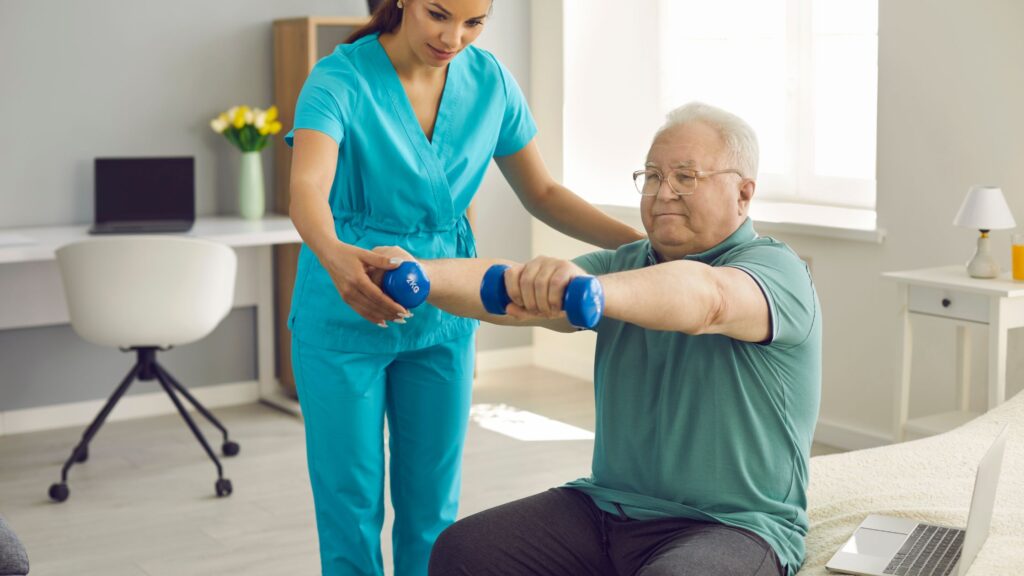
- Using the affected arm during real tasks.
- Reducing fall risk through balance retraining.
- Improving endurance for daily routines.
You regain independence when you train real-life tasks repeatedly, not random drills.
The Rehab Roadmap Phases
Recovery feels confusing when you do not track phases. Therefore, therapists usually follow a progression model that keeps training safe and realistic. Here’s how:
A. Early phase: Safety + basic movement: You build stable transfers, bed mobility, posture, and safe standing. Additionally, you reduce stiffness and protect the shoulder.
B. Middle phase: Strength + walking skill: You improve step quality, balance reactions, and leg control. Moreover, you increase walking duration without losing form.
C. Advanced phase: Endurance + daily performance: You train on stairs, uneven surfaces, and real-world speed to regain community independence with confidence.
Stroke rehabilitation therapy stays effective when it adapts as you improve, because the same routine cannot serve every stage. Learn more about Physical Rehabilitation Center.
Assessment and Goal-Setting
Progress accelerates when goals stay specific. Therefore, therapists evaluate gait, tone, strength, balance, coordination, sensation, and daily function before they build the plan. A strong plan uses goals that you can measure, such as:
- “Stand from a chair in one smooth motion.”
- “Walk 10 minutes with stable foot clearance.”
- “Use the affected hand to stabilize objects.”
- “Reduce near-falls during turns and transfers.”
Then, stroke rehabilitation therapy converts those goals into weekly targets, home practice rules, and progression steps. Moreover, that structure keeps motivation higher because improvement becomes visible.
Walking and Balance Training
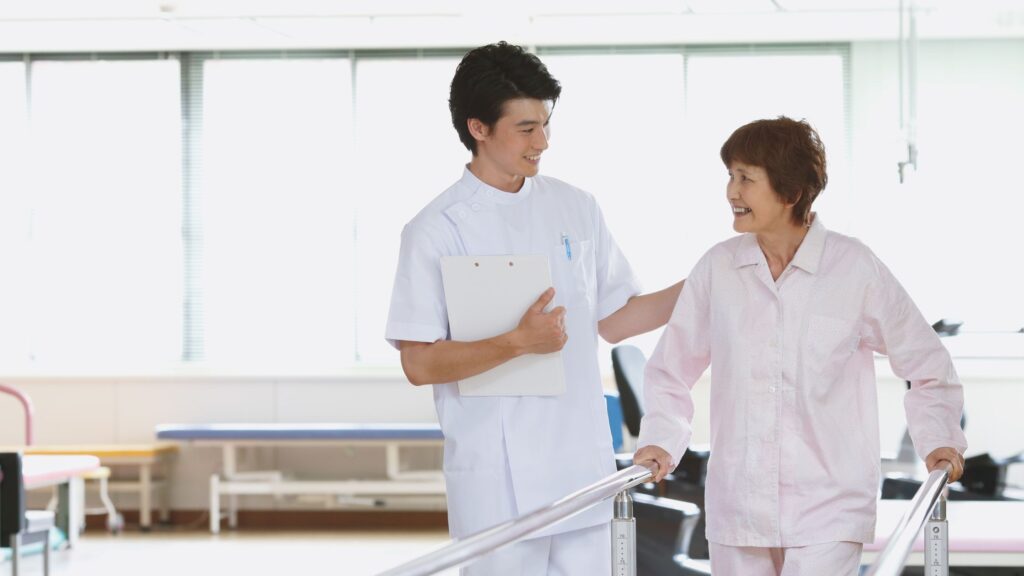
Walking often returns when you train control first and speed later. Additionally, you improve steadiness when you load the affected side intentionally. Here are high-value stroke rehabilitation physical therapy exercise patterns that commonly support gait recovery:
A) Sit-to-Stand With Symmetry
You train both legs to push evenly instead of relying on the stronger side. Moreover, you improve trunk control and alignment as you rise and sit with intention. Consequently, daily transfers feel smoother, confidence increases, and fall risk reduces.
B) Weight Shifting and Controlled Stepping
You shift weight gradually onto the affected side and add slow, deliberate steps. Additionally, you retrain balance reactions and improve body awareness. Therefore, turning, reaching, and changing direction become more stable and controlled.
C) Step Taps and Marching Drills
You lift the knee to improve hip strength, timing, and daily walking foot clearance. Moreover, you reduce shuffling and toe dragging during each step. As a result, walking feels more rhythmic and safer for longer distances.
D) Supported Walking Intervals
You walk in short, high-quality intervals using support when needed. Then, you extend the duration while maintaining posture and step symmetry. Consequently, you build endurance without sacrificing control or balance.
However, you must stop “compensation walking” from becoming a habit. Instead, focus on step quality, trunk control, and safe pace.
Arm, Hand, and Shoulder Training
Arm recovery often lags behind leg recovery. However, consistent practice still drives change when you connect motion to function. Stroke rehabilitation therapy for the upper limb works best when you train purposeful tasks, such as:
- Table slides for smoother shoulder motion
- Assisted reaching with proper scapular control
- Grasp-and-release drills using safe objects
- Bilateral tasks like folding towels or stabilizing bowls
- Daily-use moments, like holding toothpaste or supporting a cup
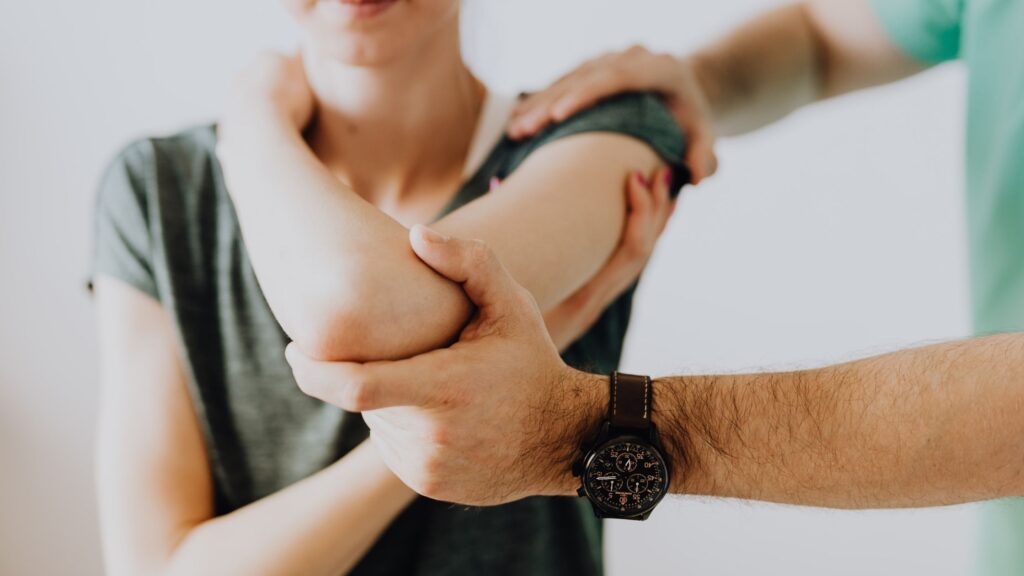
Additionally, protect the shoulder early. Therefore, support the arm during transfers and avoid pulling the affected arm, because poor handling can trigger pain and limit training.
Speech, Cognition, and Fatigue Training
Stroke affects attention, memory, processing speed, and communication for many people. Therefore, therapy may also train speech, language, problem-solving, and swallowing safety.
Even when movement improves, mental fatigue can still slow recovery. Consequently, you should structure practice with short blocks and strong rest rules. Moreover, you should reduce distractions during training, because focus improves learning quality.
If you notice coughing during meals, a wet voice after swallowing, or repeated throat clearing, report it quickly. Additionally, follow the therapist’s guidance for safe eating strategies when needed.
Home Routine That Sustains Progress
Clinic sessions build skill, yet home practice locks it in. Therefore, build a routine you can repeat without breaking safety. Use this practical structure:
- Two sessions daily (10–20 minutes each) to keep practice consistent.
- One walking/balance focus + one arm focus for full-body progress.
- Clear stop rules for sharp pain, chest symptoms, unsafe dizziness, or unusual weakness.
- Environmental safety by removing loose rugs and keeping stable support nearby.
Also, keep stroke rehabilitation physical therapy exercise specific and logged. Then, your therapist can adjust intensity based on real performance, not guesswork. Also, rehabilitation therapy improves when you treat rehab like a routine, not like motivation. Moreover, consistency wins because repetition builds new pathways.
Conclusion
Stroke rehabilitation therapy delivers the best outcomes when you follow a structured plan that evolves with your progress. Moreover, you strengthen results when you combine therapist-guided sessions with consistent stroke rehabilitation physical therapy exercises at home, because repetition turns movement into skill again. Therefore, if you want coordinated outpatient and in-home rehabilitation support designed around function, progress tracking, and real-life independence, choose Swift Rehabilitation and explore their services.